
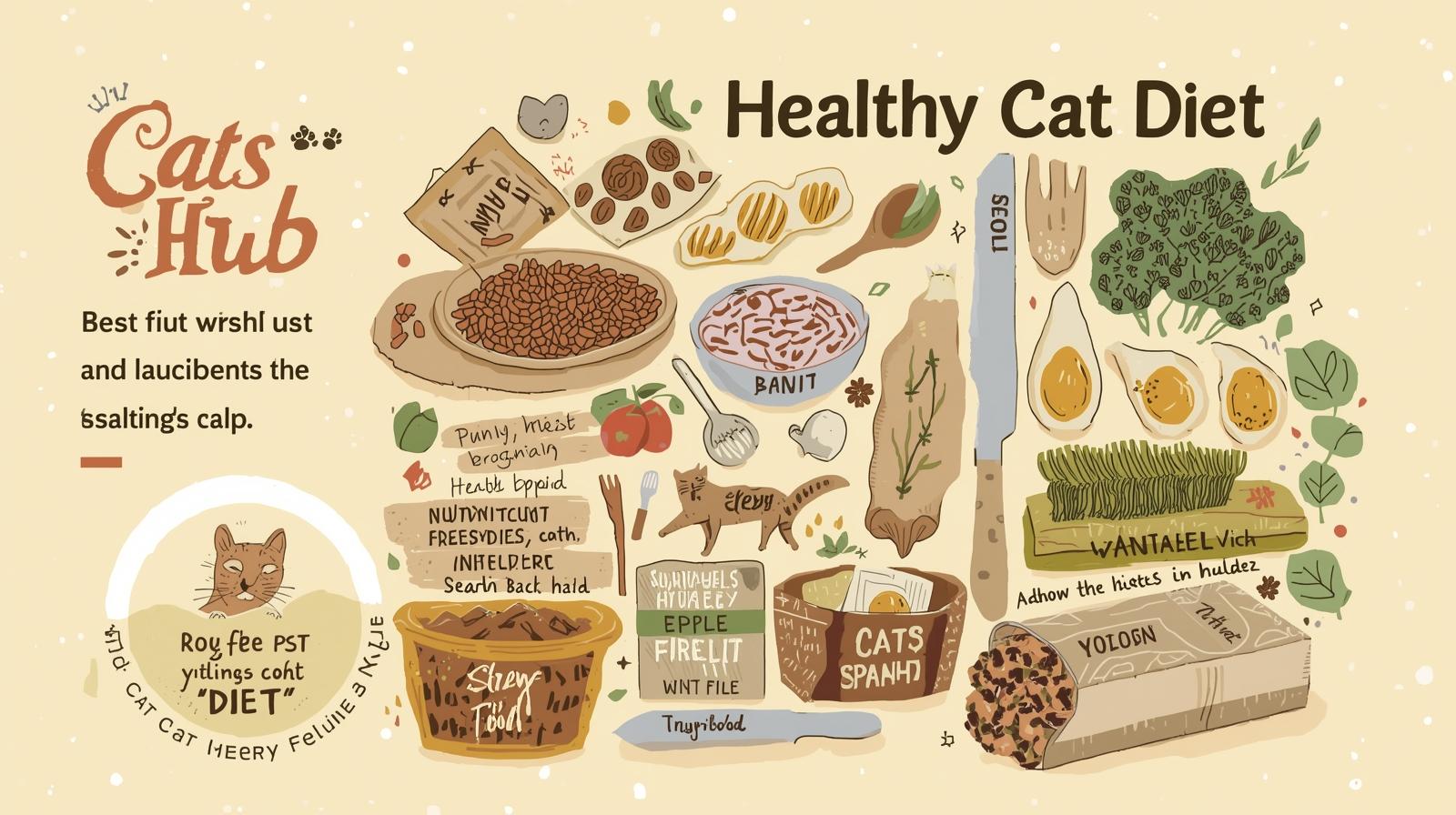
Introduction: Why a Healthy Diet Matters for Cats
Feeding your cat the right diet is one of the most important responsibilities of a pet owner. Cats are obligate carnivores, meaning they depend on nutrients found only in animal-based proteins. A balanced, nutrient-rich diet helps them maintain strong muscles, a healthy coat, and overall vitality.
However, not all cat foods are created equal. Understanding what your cat truly needs can help prevent obesity, digestive problems, and long-term health issues such as diabetes and kidney disease.
This guide explains the key elements of a healthy cat diet, including essential nutrients, feeding habits, and food recommendations that keep your feline companion healthy and happy.
1. Understanding Feline Nutrition
A healthy cat diet should closely resemble what cats would eat in the wild — high in animal protein and moderate in fat, with minimal carbohydrates.
Key Nutrients Cats Need
1. Protein:
Cats need high-quality animal protein for muscle maintenance and overall health. Look for ingredients like chicken, turkey, beef, or fish listed as the main protein source.
2. Fats:
Fats provide energy and help with vitamin absorption. Omega-3 and Omega-6 fatty acids are vital for a shiny coat and healthy skin.
3. Carbohydrates:
Cats don’t require many carbohydrates. Too many grains or plant-based fillers can lead to weight gain and digestive issues.
4. Vitamins and Minerals:
Essential vitamins like A, D, E, and B-complex support metabolism, while minerals like calcium, phosphorus, and taurine maintain bone and heart health.
5. Water:
Hydration is crucial, especially for cats on dry food. Insufficient water intake can lead to urinary or kidney problems.
2. Wet vs. Dry Cat Food: Which Is Better?
Both wet and dry foods have their advantages. Choosing between them depends on your cat’s age, health, and preferences.
Wet Cat Food
Benefits:
- Higher moisture content (helps with hydration)
- Easier to chew (ideal for older cats)
- Rich aroma encourages picky eaters
Drawbacks:
- Shorter shelf life once opened
- Slightly more expensive
Dry Cat Food
Benefits:
- Convenient and affordable
- Supports dental health by reducing tartar buildup
- Easy to store and measure
Drawbacks:
- Lower water content
- May contribute to overeating if not portioned properly
Best Approach:
A mixed diet combining both wet and dry food often provides balanced nutrition and hydration.
3. How Much Should You Feed Your Cat?
Overfeeding is one of the leading causes of obesity in cats. The amount of food depends on several factors such as age, activity level, metabolism, and health condition.
Feeding Guidelines
- Kittens (up to 12 months): Require more calories and frequent meals — 3 to 4 times a day.
- Adult Cats (1–7 years): 2 meals per day, depending on body weight and activity level.
- Senior Cats (7+ years): May need fewer calories and a diet designed for joint and kidney health.
Always check the feeding chart on the food label and adjust based on your cat’s body condition.
4. Homemade vs. Commercial Cat Food
While commercial cat foods are convenient, some owners prefer preparing homemade meals for better control over ingredients.
Commercial Cat Food
- Formulated with balanced nutrients
- Easy to serve and store
- Includes added vitamins and taurine
Homemade Cat Food
- Allows you to use fresh ingredients
- Requires veterinary guidance to avoid nutritional deficiencies
Important:
Never feed a homemade diet without consulting a veterinarian or pet nutritionist. Cats have unique dietary needs that must be met precisely, especially for taurine, calcium, and vitamin D.
5. Foods Cats Should Never Eat
Some human foods are toxic or harmful to cats. Avoid feeding the following:
- Onions and Garlic: Damage red blood cells and cause anemia.
- Chocolate and Caffeine: Contain theobromine and caffeine, which are toxic.
- Grapes and Raisins: Can cause kidney failure.
- Dairy Products: Many cats are lactose intolerant, leading to diarrhea.
- Raw Fish or Meat: May contain bacteria or parasites.
- Bones: Can splinter and cause choking or internal injury.
Keeping these foods out of reach ensures your cat’s safety and digestive health.
6. The Role of Treats in a Cat’s Diet
Treats are a great way to reward your cat, but moderation is key.
Guidelines:
- Treats should make up no more than 10% of daily calories.
- Opt for high-protein treats or freeze-dried meat.
- Avoid sugary, salty, or artificial snacks.
Overindulgence in treats can lead to weight gain and nutrient imbalance.
7. Dietary Needs by Life Stage
A cat’s nutritional needs change over time. Adjusting their diet according to their life stage ensures proper growth and health maintenance.
Kittens
Require more protein, fat, and calories for growth and development. Look for specially formulated kitten food that supports muscle and bone strength.
Adult Cats
Need a balanced diet for maintaining weight and muscle. Choose food that supports digestive health and energy balance.
Senior Cats
Benefit from lower-calorie foods with added nutrients for joint support, heart health, and kidney function.
8. Special Diets for Health Conditions
Some cats require specialized diets to manage specific health conditions. Always consult your veterinarian before switching to a therapeutic diet.
- For Obesity: Low-calorie, high-protein foods to promote weight loss.
- For Diabetes: High-protein, low-carb diets to control blood sugar.
- For Kidney Disease: Reduced protein and phosphorus intake.
- For Allergies: Hypoallergenic or limited-ingredient diets.
- For Urinary Health: Moisture-rich food that maintains balanced pH levels.
A veterinarian can recommend the right food based on diagnosis and health goals.
9. Hydration and Its Importance
Cats are naturally low drinkers because their ancestors obtained moisture from prey. Modern cats, especially those on dry food, need encouragement to drink more water.
Tips to Increase Water Intake:
- Provide multiple water bowls in quiet locations.
- Use cat water fountains to encourage drinking.
- Add a little water or broth to wet food.
- Keep bowls clean and filled with fresh water.
Proper hydration prevents urinary and kidney issues, improving overall health.
10. Reading Cat Food Labels
To ensure you’re choosing quality food, read and understand the product label carefully.
Look For:
- Meat or fish as the first ingredient
- High protein content
- Clear listing of vitamins and minerals
- AAFCO (Association of American Feed Control Officials) nutritional adequacy statement
Avoid:
- Fillers like corn, soy, and wheat
- Artificial colors, flavors, or preservatives
A good-quality cat food should meet all nutritional standards and reflect transparency in labeling.
11. Transitioning to a New Diet
Changing your cat’s diet abruptly can cause stomach upset. Always introduce new food gradually.
Transition Plan:
- Day 1–2: 75% old food, 25% new food
- Day 3–4: 50% old, 50% new
- Day 5–6: 25% old, 75% new
- Day 7: 100% new food
Monitor your cat’s reaction, appetite, and stool consistency during the transition.
12. Signs of an Unhealthy Diet
If your cat’s diet is lacking in nutrients, symptoms will appear over time.
Warning Signs:
- Dull coat or hair loss
- Weight gain or loss
- Digestive issues (vomiting, diarrhea)
- Lethargy or lack of energy
- Bad breath or dental problems
If you notice any of these, consult a veterinarian to evaluate your cat’s nutrition and overall health.
Conclusion: Building a Lifelong Healthy Diet for Your Cat
A healthy cat diet forms the foundation of your pet’s happiness, energy, and longevity. By providing balanced nutrition, maintaining hydration, and avoiding harmful foods, you’ll help your feline thrive at every stage of life.
Choose high-quality, meat-based cat food, feed in proper portions, and stay consistent with vet checkups. Small adjustments — like encouraging water intake or monitoring weight — make a big difference in your cat’s overall health.
When in doubt, always seek professional veterinary advice before making major dietary changes. A well-fed cat is not only healthier but also more playful, affectionate, and full of life.