
Introduction: Why Cat Vaccinations Are Essential
Vaccinations are one of the most important aspects of keeping your cat healthy and disease-free. Whether your cat stays indoors or ventures outside, vaccines help build immunity against serious and potentially fatal diseases.
A proper cat vaccination schedule ensures that your feline friend is protected from common infections such as feline distemper, rabies, and respiratory viruses. Following your vet’s recommended vaccine plan can prevent illness, save on medical costs, and extend your cat’s lifespan.
In this guide, you’ll learn about the types of vaccines cats need, the ideal schedule for kittens and adults, and how to maintain lifelong protection.
1. Understanding Cat Vaccines
Cat vaccines work by stimulating the immune system to recognize and fight harmful viruses or bacteria without causing the disease itself.
There are two main categories:
Core Vaccines
These are essential for all cats, regardless of age, breed, or lifestyle. They protect against life-threatening diseases that are widespread and easily transmitted.
Core Vaccines Include:
- Feline panleukopenia (distemper)
- Feline herpesvirus (rhinotracheitis)
- Feline calicivirus
- Rabies
Non-Core Vaccines
These are recommended based on your cat’s environment, health condition, and lifestyle (for example, outdoor cats or those in multi-cat homes).
Non-Core Vaccines Include:
- Feline leukemia virus (FeLV)
- Feline immunodeficiency virus (FIV)
- Bordetella
- Chlamydia felis
Consult your veterinarian to determine which vaccines are necessary for your cat’s specific needs.
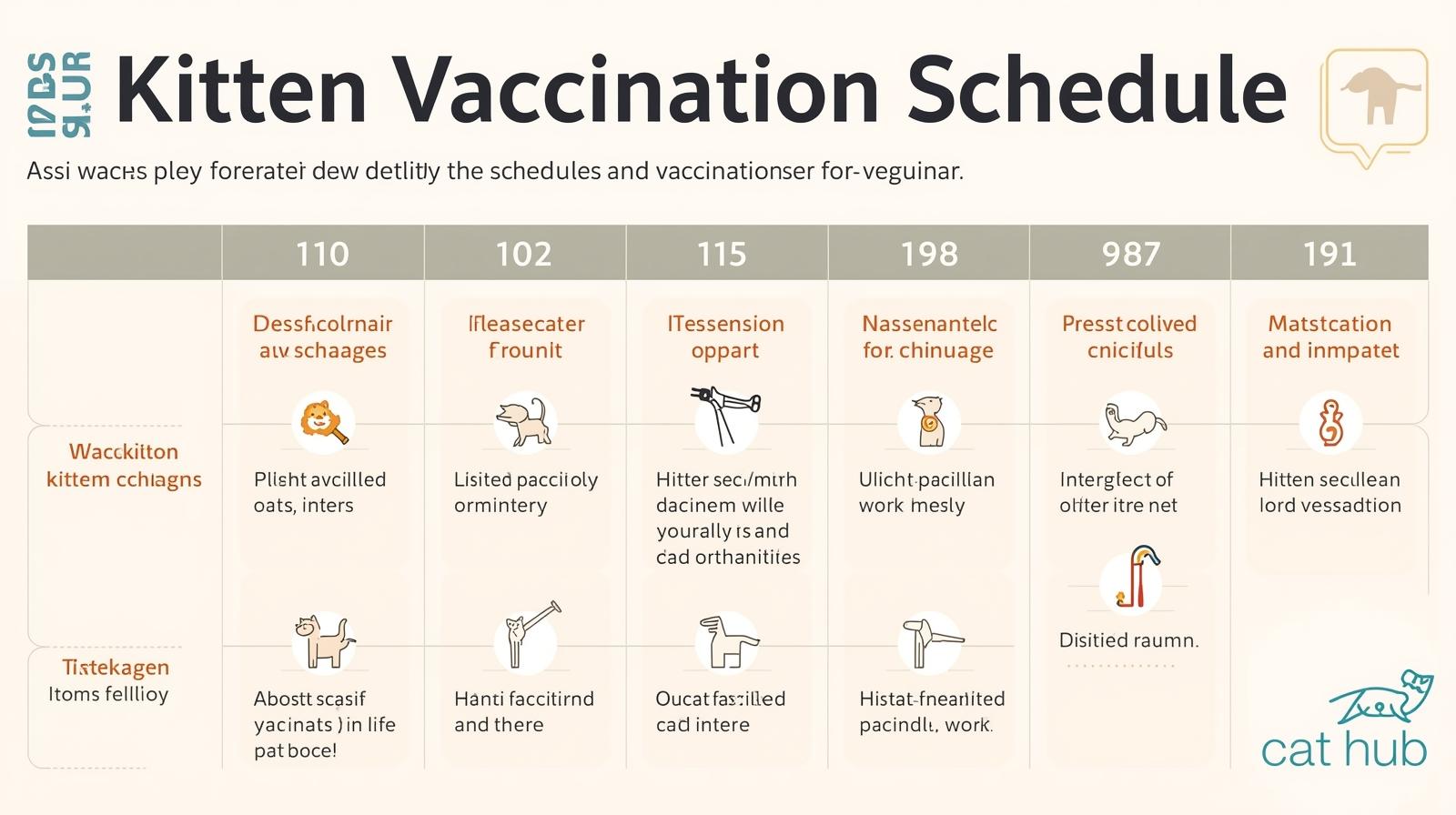
2. Kitten Vaccination Schedule (6–16 Weeks Old)
Kittens are born with some immunity from their mother’s milk, but this protection fades after a few weeks. Vaccinations should begin early to prevent infection.
Here’s the standard kitten vaccination schedule recommended by most veterinarians:
| Age of Kitten | Vaccine | Details |
|---|---|---|
| 6–8 weeks | FVRCP (Feline Viral Rhinotracheitis, Calicivirus, Panleukopenia) | First core vaccine dose |
| 10–12 weeks | FVRCP booster | Strengthens immunity |
| 12–16 weeks | Rabies vaccine | Required by law in many regions |
| 14–16 weeks | FeLV (optional for indoor cats, essential for outdoor cats) | Protects against feline leukemia virus |
Notes for Kittens
- Avoid taking kittens outside until they complete their vaccination series.
- Deworming and flea prevention can be combined with the vaccination schedule.
- Keep vaccination records for future reference and booster scheduling.
3. Adult Cat Vaccination Schedule (1 Year and Older)
After your cat completes the kitten series, maintaining annual or tri-annual boosters ensures continued immunity.
| Age of Cat | Vaccine | Frequency |
|---|---|---|
| 1 year | FVRCP booster | Once every 1–3 years |
| 1 year | Rabies booster | Once every 1–3 years (depending on local regulations) |
| 1 year | FeLV booster | Annually for outdoor or high-risk cats |
For Indoor Cats
Even if your cat lives indoors, vaccinations remain important because viruses can enter through clothing, shoes, or open windows. Indoor cats should still receive FVRCP and rabies vaccines regularly.
For Outdoor Cats
Outdoor cats are exposed to higher risks of infection. They require all core and non-core vaccines, especially FeLV and FIV protection.
4. Core Vaccines Explained
Feline Panleukopenia (Distemper)
A highly contagious and often fatal viral disease that attacks the immune system and intestines.
Symptoms: Vomiting, diarrhea, fever, and dehydration.
Vaccine Schedule: 6–8 weeks, 10–12 weeks, 14–16 weeks, and annual boosters.
Feline Herpesvirus (Rhinotracheitis)
A major cause of upper respiratory infections in cats.
Symptoms: Sneezing, nasal discharge, conjunctivitis, and fever.
Vaccine Schedule: Included in FVRCP combination; initial doses followed by yearly or 3-year boosters.
Feline Calicivirus
Causes respiratory infections and mouth ulcers.
Symptoms: Sneezing, eye discharge, ulcers on tongue or gums.
Vaccine Schedule: Included in FVRCP combination.
Rabies
A fatal viral disease affecting the nervous system, transmissible to humans (zoonotic).
Symptoms: Behavioral changes, aggression, paralysis, and death.
Vaccine Schedule: First dose at 12–16 weeks, then every 1–3 years.
Note: Rabies vaccination is legally required in many countries.
5. Non-Core Vaccines Explained
Feline Leukemia Virus (FeLV)
One of the most dangerous feline viruses, transmitted through saliva or blood.
Recommended For: Outdoor cats or multi-cat households.
Schedule: First dose at 8–12 weeks, booster 3–4 weeks later, then annually.
Feline Immunodeficiency Virus (FIV)
Similar to HIV in humans, it weakens a cat’s immune system over time.
Recommended For: Outdoor or aggressive cats at risk of bites.
Schedule: Three doses given 2–3 weeks apart, then annual boosters.
Chlamydia felis
Causes conjunctivitis and respiratory issues.
Recommended For: Multi-cat homes or shelter environments.
Schedule: Given with FVRCP vaccine and boosted annually.
Bordetella bronchiseptica
Common in boarding facilities or shelters, causes respiratory infections similar to kennel cough in dogs.
Recommended For: Cats that are boarded or frequently around other animals.
Schedule: Annual vaccination, given as a nasal spray.
6. Booster Shots: Maintaining Lifelong Protection
Vaccines don’t last forever. Booster shots renew your cat’s immunity and keep diseases at bay.
General Booster Schedule:
- FVRCP: Every 1–3 years
- Rabies: Every 1–3 years (depending on vaccine type and law)
- FeLV: Annually for at-risk cats
Consult your vet to create a custom booster plan based on your cat’s age, health, and exposure risk.
7. What to Expect After Vaccination
It’s normal for cats to experience mild side effects after vaccination. These typically last 24–48 hours and are not serious.
Common Reactions:
- Mild fever
- Fatigue or sleepiness
- Decreased appetite
- Small swelling at injection site
When to Call a Vet:
If your cat shows signs of allergic reaction (swelling of face, difficulty breathing, vomiting, or collapse), seek immediate veterinary attention.
8. Cost of Cat Vaccinations
The cost of cat vaccines varies depending on the clinic, region, and vaccine type. On average:
| Vaccine Type | Estimated Cost (USD) |
|---|---|
| FVRCP (core combo) | $20 – $40 per dose |
| Rabies | $15 – $30 per dose |
| FeLV | $25 – $45 per dose |
| FIV | $30 – $50 per dose |
Package plans offered by vets or shelters can reduce costs for multi-vaccine visits. Always prioritize licensed veterinary services over unregulated options.
9. Indoor vs. Outdoor Cats: Different Needs
Indoor Cats
- Still need FVRCP and rabies vaccines.
- Lower exposure risk but not immune to airborne or human-transmitted viruses.
- Fewer boosters may be required after age five (based on vet guidance).
Outdoor Cats
- Higher exposure to other animals and parasites.
- Require full vaccination, including FeLV, FIV, and Bordetella.
- Annual boosters are crucial for disease prevention.
10. Tips for a Smooth Vaccination Experience
- Schedule vet visits early in the morning — cats are more relaxed and less stressed.
- Bring familiar items like a blanket or toy for comfort.
- Keep your cat indoors for 24–48 hours after vaccination to monitor reactions.
- Maintain a record book of all vaccines and dates for future boosters.
- Don’t skip vet checkups — exams before vaccination ensure your cat is healthy enough for shots.
11. Risks of Skipping Vaccines
Neglecting cat vaccinations exposes your feline to serious risks such as:
- Contracting fatal viral infections
- Higher treatment costs for preventable diseases
- Risk of transmitting rabies to humans
- Shortened lifespan and poor quality of life
A few simple vaccines can prevent years of potential illness and suffering.
12. Frequently Asked Questions (FAQs)
Q1. Are cat vaccinations safe?
Yes. Vaccines are tested for safety and effectiveness. Adverse reactions are extremely rare.
Q2. Can an indoor cat skip rabies vaccination?
No. Rabies vaccination is legally required and protects both your cat and your family.
Q3. What happens if I miss a booster shot?
Your cat may lose immunity. Consult your vet to restart the appropriate vaccination schedule.
Q4. Can I vaccinate my cat at home?
Only licensed veterinarians should administer vaccines to ensure safety and accuracy.
Q5. How do I know which vaccines my cat needs?
Your vet will assess lifestyle, age, and health to recommend the right combination.
Conclusion: Keeping Your Cat Safe Through Vaccination
A well-planned cat vaccination schedule is the cornerstone of feline health care. Regular vaccines protect against deadly diseases, strengthen immunity, and ensure your cat lives a long, active, and happy life.
Follow your veterinarian’s recommended schedule, maintain accurate records, and never skip booster appointments. Whether your cat spends time indoors or outdoors, consistent vaccination is the best defense against illness.
By investing in prevention today, you’re giving your cat the gift of a healthier tomorrow.