
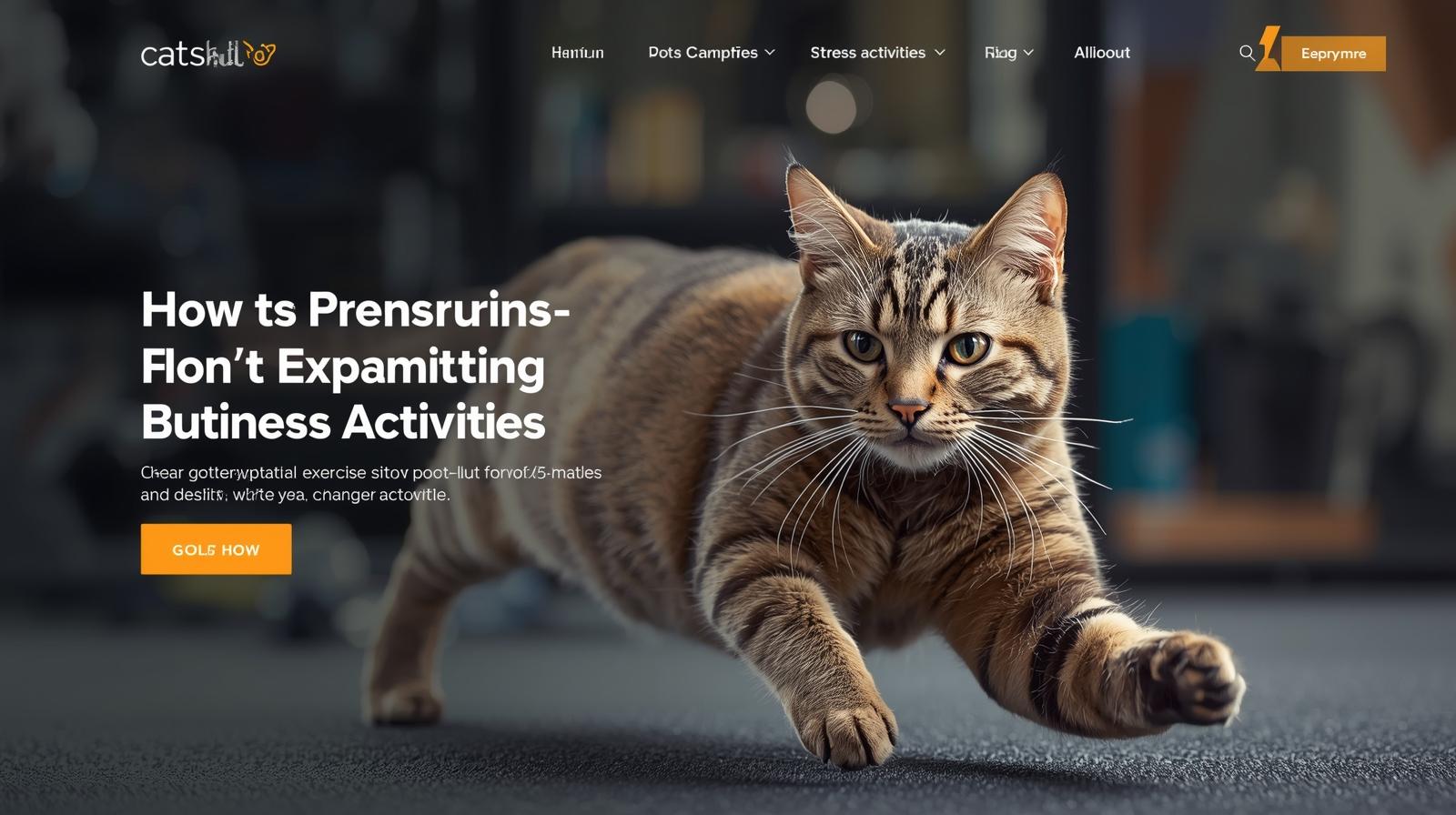
Introduction: Why Cat Fitness Matters
Cats may seem independent and calm, but they need regular physical activity to stay healthy and happy. Exercise not only prevents obesity but also supports mental stimulation and emotional balance. Unfortunately, many indoor cats lead sedentary lives, increasing their risk of health problems such as diabetes, arthritis, and heart disease.
This guide on cat exercise and fitness explores why activity is essential, how much your cat needs, and the best ways to keep your feline friend physically and mentally fit.
1. Understanding Your Cat’s Activity Needs
Every cat is unique, and their exercise requirements depend on age, breed, and overall health.
- Kittens: Extremely energetic, need frequent playtime throughout the day.
- Adult Cats: Require about 30–60 minutes of active play daily.
- Senior Cats: Less active but still need light movement to maintain joint flexibility and prevent stiffness.
Tip: Short but frequent sessions (5–10 minutes) are better than one long workout for most cats.
2. Benefits of Exercise for Cats
Regular physical activity provides many benefits for your feline companion:
2.1 Physical Health Benefits
- Helps maintain a healthy weight
- Improves muscle tone and strength
- Boosts cardiovascular health
- Reduces risk of diabetes and arthritis
- Enhances mobility and flexibility
2.2 Mental and Emotional Benefits
- Prevents boredom and destructive behavior
- Reduces anxiety and stress
- Satisfies natural hunting instincts
- Strengthens the bond between cat and owner
A fit cat is a happy, confident, and curious cat.
3. Indoor Cat Exercise Ideas
Indoor cats often need extra help to stay active. Here are simple and effective ways to increase your cat’s daily movement:
3.1 Interactive Play
Use toys that stimulate your cat’s natural instincts — chasing, pouncing, and jumping.
Popular choices include:
- Feather wands or teaser toys
- Laser pointers (never shine directly in eyes)
- Toy mice or crinkle balls
- String or ribbon toys (supervise to prevent swallowing)
3.2 Climbing and Jumping
Cats love to climb. Provide:
- Cat trees or towers
- Window perches
- Wall-mounted shelves or bridges
This satisfies their instinct to observe from high places and encourages movement.
3.3 Puzzle Feeders and Treat Balls
Turn mealtime into exercise by using interactive feeders. Your cat must work to get the food, stimulating both mind and body.
3.4 Hide and Seek
Hide treats or toys around the house to encourage your cat to explore and hunt.
3.5 Fetch and Chase
Some cats enjoy fetching small toys. Toss lightweight balls or soft items across the floor for your cat to chase and return.
4. Outdoor Exercise for Cats
If it’s safe in your area, outdoor play offers more stimulation. Always supervise your cat to prevent accidents or escapes.
4.1 Leash Training
Walking your cat on a harness and leash allows them to safely explore the outdoors. Start indoors, reward calm behavior, and gradually increase outdoor time.
4.2 Enclosed Outdoor Spaces (Catios)
A catio (cat patio) lets your cat enjoy sunshine, fresh air, and nature safely. Add toys, climbing shelves, and scratching posts for enrichment.
4.3 Supervised Yard Play
If you have a fenced garden, let your cat explore under supervision. Avoid exposure to toxic plants and pesticides.
5. Cat Exercise Equipment and Tools
Many modern cat fitness tools make playtime easier and more effective.
- Cat Wheels: Great for high-energy breeds like Bengals or Siamese.
- Laser Toys: Automated lasers that move unpredictably.
- Interactive Robots: Move around on their own, keeping cats entertained.
- Scratching Posts: Strengthen muscles and promote stretching.
Choose equipment based on your cat’s personality — playful cats may enjoy chase toys, while curious cats prefer puzzles.
6. Encouraging Overweight Cats to Move
If your cat is overweight, start slowly. Sudden activity can strain joints or heart function.
Steps to Begin:
- Start with Short Play Sessions: 3–5 minutes a few times daily.
- Use Treats as Motivation: Encourage chasing or jumping for rewards.
- Gradually Increase Intensity: Add more active toys once endurance improves.
- Track Weight Progress: Weigh weekly to monitor improvement.
Diet Tip: Combine exercise with a vet-approved diet plan for best results.
7. Fun Fitness Games for Cats
Make exercise entertaining to keep your cat interested.
- Laser Tag: Use a laser pointer to encourage sprinting.
- Treasure Hunt: Hide food puzzles around the house.
- Feather Chase: Drag a feather toy across the floor to simulate prey.
- Box Maze: Arrange cardboard boxes for jumping and hiding.
- Bubble Play: Use cat-safe bubbles for playful pouncing.
Rotate toys regularly to maintain excitement.
8. Senior Cat Fitness
Older cats may not jump or run like they once did, but light exercise remains vital for maintaining muscle tone and joint health.
Low-Impact Activities:
- Gentle toy chasing on soft surfaces
- Climbing short steps or low platforms
- Stretching exercises using scratching boards
- Slow interactive play with teaser toys
Keep sessions short (5–10 minutes) and monitor for signs of fatigue or pain.
9. Mental Stimulation: Exercise for the Mind
Physical health and mental stimulation go hand-in-hand. Mental exercise keeps cats alert, curious, and emotionally balanced.
Ideas for Mental Stimulation:
- Rotate new toys weekly
- Provide access to windows for bird watching
- Introduce safe indoor plants like cat grass
- Teach simple tricks using treats (sit, paw, jump)
Engaging your cat’s brain reduces boredom and encourages natural hunting instincts.
10. Common Mistakes to Avoid
Many cat owners make well-intentioned mistakes that limit their pet’s exercise benefits.
- Relying only on free-roaming: Indoor cats won’t automatically stay fit.
- Using unsafe toys (strings, small parts) without supervision.
- Ignoring individual preferences — not all cats enjoy the same games.
- Overfeeding after workouts — it cancels fitness progress.
- Pushing older or sick cats too hard.
Observation and patience are key — exercise should always be enjoyable, not forced.
11. How to Know Your Cat is Getting Enough Exercise
Signs of a physically fit cat include:
- Stable, healthy weight
- Good muscle tone
- Glossy coat and strong appetite
- Playfulness and alertness
- Regular bowel movements
If your cat becomes lethargic, gains weight, or loses interest in play, increase activity gradually or consult your vet.
12. Building a Daily Cat Fitness Routine
A structured routine helps maintain consistency and makes exercise a natural part of your cat’s day.
Sample Daily Plan:
- Morning (5–10 minutes): Feather wand or laser chase
- Afternoon (10 minutes): Puzzle feeder or treat hunt
- Evening (10–15 minutes): Fetch game or climbing activity
Always end playtime with a reward or cuddle session — it reinforces positive behavior and bonding.
13. The Role of Diet in Cat Fitness
Exercise and nutrition go together. Even the best activity plan won’t help if your cat’s diet is unbalanced.
Diet Tips for Active Cats:
- Feed high-protein, low-carb food
- Avoid overfeeding treats
- Provide wet food for hydration
- Include supplements (like omega-3s) for joint health if recommended by a vet
A well-fed, hydrated cat performs better during play and recovers faster.
14. Monitoring Cat Fitness Progress
Track your cat’s health improvements over time:
- Keep a weight chart
- Record activity duration daily
- Use smart collars or pet fitness trackers
- Note behavior changes — energy, appetite, and grooming
These insights help identify what works best for your cat’s lifestyle.
15. When to Consult a Vet
If your cat shows any of the following during exercise, stop immediately and contact your vet:
- Panting or heavy breathing
- Lameness or limping
- Loss of interest in food or water
- Vomiting after play
- Unusual lethargy
Your vet can tailor a safe fitness plan based on your cat’s age, weight, and health condition.
Conclusion: A Healthy Cat is a Happy Cat
Keeping your cat active is one of the best gifts you can give. Regular exercise improves not just physical health but also emotional well-being. Whether it’s chasing a toy, climbing a tower, or exploring outdoors, every bit of movement contributes to a longer, happier life.
By integrating play into daily routines, providing mental stimulation, and maintaining a balanced diet, you’ll help your cat achieve optimal health and fitness.
A fit cat is not only more energetic and content — it’s a companion that will share many healthy, joyful years by your side.