
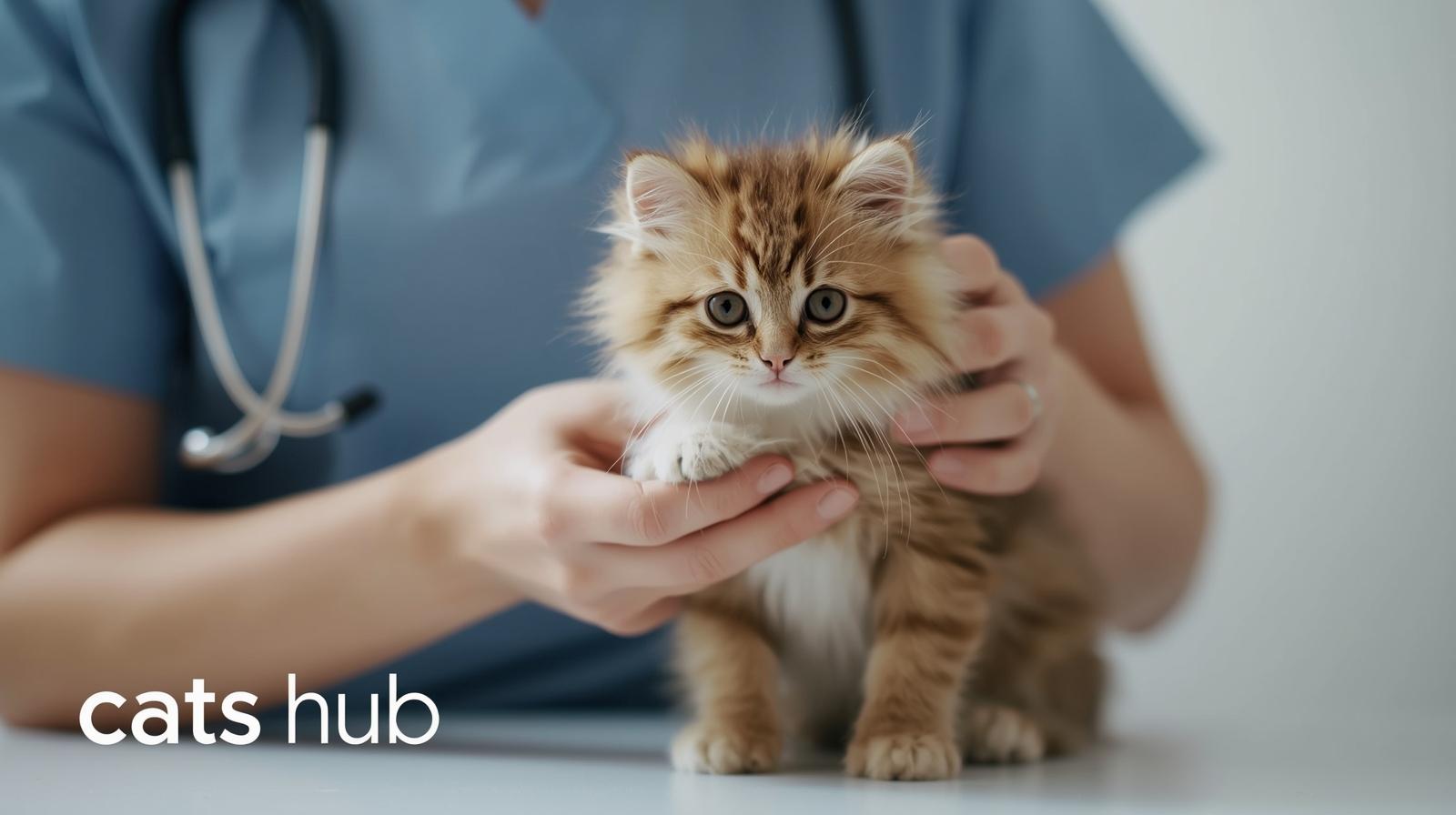
Introduction: The Importance of Kitten Health Care
Bringing home a new kitten is exciting, but it also comes with great responsibility. The first few months of a kitten’s life are crucial for building strong immunity, proper growth, and good habits. Proper kitten health care — including nutrition, vaccinations, hygiene, and regular vet checkups — sets the foundation for a long and healthy life.
This guide covers everything you need to know to keep your kitten thriving, from diet and vaccinations to grooming and early training.
1. Schedule Regular Vet Visits
The very first step in kitten health care is visiting a veterinarian. Kittens should have their first vet visit at around 6–8 weeks of age. During this appointment, your vet will:
- Perform a full physical examination
- Check for parasites (fleas, ticks, worms)
- Recommend a vaccination schedule
- Discuss deworming and nutrition
Regular vet checkups every few months during the first year help monitor growth and detect early health issues.
2. Follow a Proper Vaccination Schedule
Vaccinations are vital for protecting kittens from dangerous diseases. The core vaccines typically include protection against Feline Panleukopenia, Calicivirus, Rhinotracheitis, and Rabies.
Typical Kitten Vaccination Schedule:
| Age | Vaccine |
|---|---|
| 6–8 weeks | FVRCP (Feline Viral Rhinotracheitis, Calicivirus, Panleukopenia) |
| 10–12 weeks | Booster (FVRCP) + Optional FeLV (Feline Leukemia) |
| 14–16 weeks | FVRCP Booster + Rabies |
| 1 year | Annual booster vaccines |
Consult your vet for personalized vaccination plans based on your kitten’s environment and health.
3. Provide Proper Nutrition
Kittens need a nutrient-rich diet to support rapid growth, energy, and development. Choose high-quality kitten food that contains:
- Protein: For muscle and tissue growth.
- Taurine: Essential for heart and eye health.
- Calcium and phosphorus: For strong bones and teeth.
- Healthy fats: For energy and coat health.
Feed small, frequent meals throughout the day, as kittens have smaller stomachs and higher energy needs. Always provide clean, fresh water.
Avoid giving cow’s milk, as most cats are lactose intolerant and may develop diarrhea.
4. Deworming and Parasite Prevention
Kittens are highly susceptible to internal and external parasites such as worms, fleas, and ticks.
Deworming schedule:
- Start deworming at 2–3 weeks of age.
- Repeat every 2 weeks until 12 weeks old.
- Then, deworm monthly until 6 months of age.
Use vet-approved flea and tick preventatives. Keeping your home clean and washing bedding regularly also reduces the risk of re-infestation.
5. Grooming and Hygiene
Start grooming early so your kitten becomes comfortable with being handled.
Key grooming tips:
- Brush your kitten’s fur regularly to prevent tangles.
- Use a soft brush suitable for their coat type.
- Wipe their eyes and ears gently with a damp cloth.
- Trim nails carefully when needed.
Regular grooming keeps your kitten clean, prevents matting, and strengthens your bond.
6. Litter Training
Most kittens learn litter box habits quickly, but consistency is key.
Litter training guide:
- Place the litter box in a quiet, accessible area.
- Keep it clean by scooping daily.
- Avoid scented litter that may discourage use.
- Reward your kitten for using the box correctly.
Maintaining litter hygiene also helps prevent urinary infections.
7. Spaying or Neutering
Spaying (for females) or neutering (for males) is an important step in kitten health care. It helps prevent unwanted pregnancies, reduces the risk of certain cancers, and curbs behavioral issues like spraying or aggression.
Best time: Usually between 5 to 6 months of age, but consult your vet for the ideal timing based on your kitten’s breed and health.
8. Encourage Physical Activity and Socialization
Kittens are naturally curious and energetic. Providing plenty of playtime promotes physical fitness and mental stimulation.
Tips:
- Use interactive toys like feather wands and balls.
- Provide scratching posts and climbing trees.
- Introduce your kitten to different people, sounds, and environments early on.
Playtime helps prevent obesity, improves coordination, and builds confidence.
9. Monitor Behavior and Health Changes
Pay attention to your kitten’s daily behavior. Lethargy, loss of appetite, vomiting, or diarrhea may indicate illness. Early detection and prompt veterinary attention are key to effective treatment.
Healthy kitten signs include:
- Bright eyes and clean ears
- Shiny coat and healthy skin
- Good appetite and regular bowel movements
- Playfulness and curiosity
10. Create a Safe and Loving Environment
A safe, stress-free environment supports emotional and physical well-being. Remove any harmful plants, small objects, or toxic substances that your kitten might chew on. Provide a warm sleeping area and plenty of affection — this strengthens trust and emotional health.
Conclusion: Building a Foundation for Lifelong Health
Caring for a kitten involves more than just love and play — it’s about establishing healthy habits that will last a lifetime. With proper nutrition, vaccinations, grooming, and preventive care, your kitten will grow into a strong, joyful, and affectionate companion.
Consistent care and regular veterinary guidance ensure your feline friend enjoys a long, healthy, and happy life right from the very beginning.