
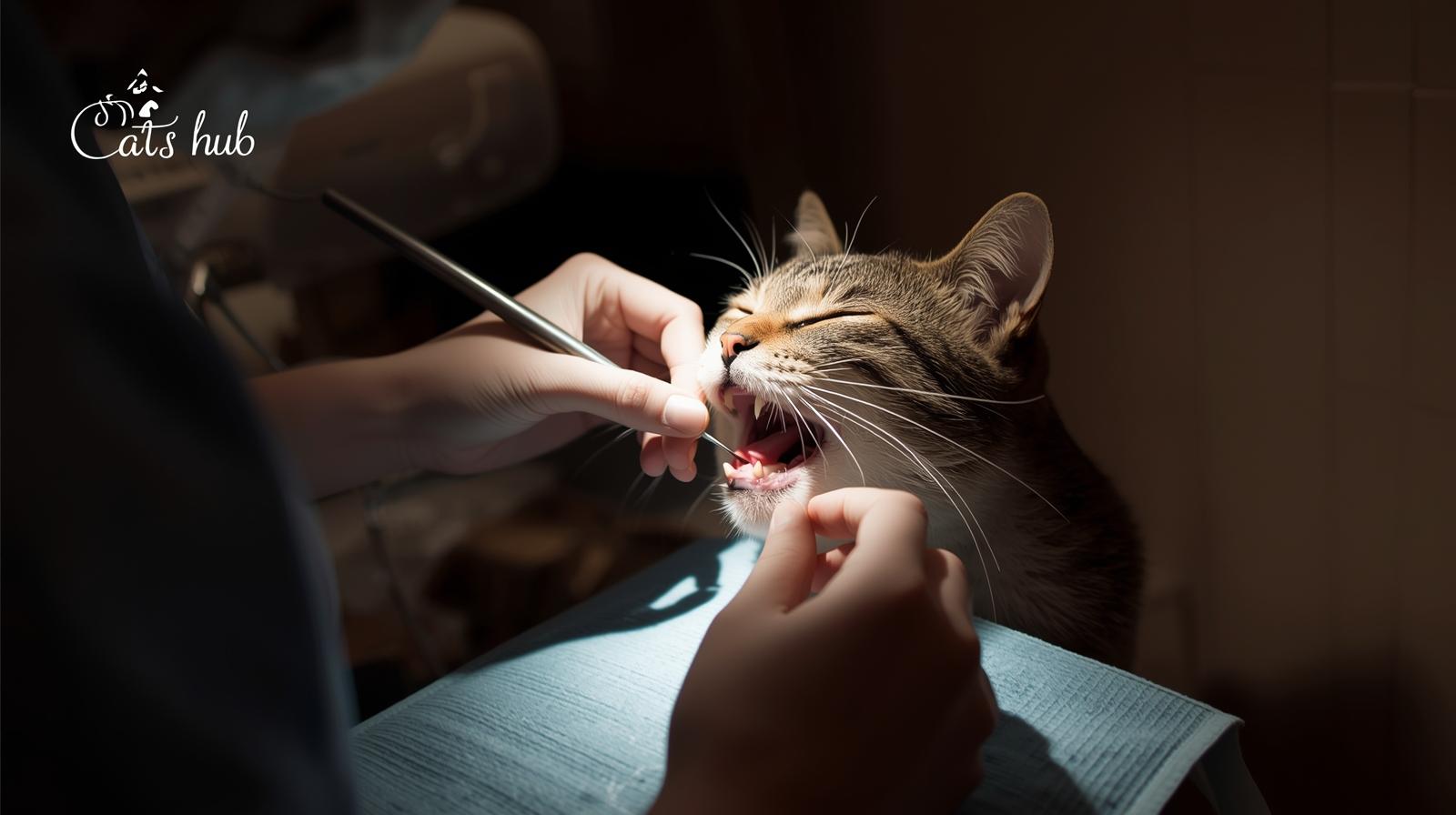
Introduction: Why Cat Dental Care Matters
Many cat owners focus on feeding, grooming, and vaccinations but often overlook oral health. However, dental care is one of the most critical aspects of overall feline health. Poor dental hygiene can lead to plaque buildup, gum disease, tooth loss, and even systemic infections that affect the heart, kidneys, and liver.
Research suggests that up to 70% of cats show signs of dental disease by age three. Regular dental care not only keeps your cat’s mouth clean and pain-free but also prevents severe health complications.
This guide covers everything you need to know about cat dental care, including signs of oral problems, preventive measures, home brushing techniques, and professional treatments.
1. Understanding Feline Dental Health
A cat’s mouth consists of 30 adult teeth, designed for tearing meat and chewing food. Over time, bacteria, food particles, and saliva combine to form plaque, which hardens into tartar if not removed.
Without proper care, tartar can irritate the gums, leading to inflammation, infection, and tooth decay. These issues are often silent in early stages but can progress quickly.
Common Components of Cat Dental Health:
- Teeth: Sharp incisors, canines, premolars, and molars used for biting and chewing.
- Gums: Soft tissues that support teeth and must remain pink and firm.
- Tongue and Oral Mucosa: Help in cleaning and maintaining moisture.
A healthy cat mouth should have clean, white teeth and pink, firm gums without redness or bleeding.
2. Common Dental Diseases in Cats
Cats are prone to several dental diseases that can severely impact their well-being. Understanding these conditions helps identify early warning signs.
2.1 Gingivitis
Gingivitis is the first stage of dental disease, caused by plaque buildup along the gumline. Symptoms include:
- Red or swollen gums
- Bad breath
- Mild bleeding during eating or brushing
If untreated, it can progress to more severe conditions.
2.2 Periodontitis
Periodontitis occurs when gingivitis worsens and affects the deeper tissues supporting the teeth. It leads to gum recession, loose teeth, and pain while eating.
2.3 Tooth Resorption
One of the most painful and common conditions in cats, tooth resorption occurs when the body starts breaking down and absorbing the tooth structure. It often requires extraction.
2.4 Stomatitis
Feline stomatitis is an autoimmune reaction where the cat’s body attacks its oral tissues. It causes severe pain, drooling, and refusal to eat.
2.5 Plaque and Tartar Buildup
Plaque is a sticky film of bacteria that hardens into tartar, damaging both teeth and gums. Once tartar forms, it requires professional cleaning.
3. Signs of Dental Problems in Cats
Cats are experts at hiding pain, making it difficult to notice dental issues early. However, these signs may indicate oral discomfort:
- Bad breath (halitosis)
- Drooling or pawing at the mouth
- Difficulty eating or dropping food
- Yellow or brown tartar on teeth
- Swollen or bleeding gums
- Reduced appetite or weight loss
- Behavioral changes (less grooming, irritability)
If you observe these symptoms, consult your veterinarian for a dental checkup immediately.
4. Importance of Regular Dental Checkups
Routine dental checkups help detect early signs of disease and prevent serious problems.
Recommended Frequency:
- Every 6–12 months: Dental examination by a vet.
- Once a year: Professional cleaning under anesthesia if tartar is present.
During the exam, your vet may:
- Check for gum inflammation, tartar, or loose teeth.
- Use dental X-rays to assess tooth roots.
- Recommend scaling and polishing for thorough cleaning.
5. Brushing Your Cat’s Teeth at Home
Regular tooth brushing is the best way to maintain oral hygiene and prevent plaque buildup.
5.1 What You’ll Need
- Cat-specific toothbrush or finger brush
- Cat-safe toothpaste (never use human toothpaste—it’s toxic to cats)
5.2 Step-by-Step Brushing Guide
- Start Slowly: Get your cat used to having its mouth touched. Begin by gently rubbing the gums with your finger.
- Introduce Toothpaste: Let your cat lick a small amount of cat toothpaste to get familiar with the taste.
- Use a Soft Brush: Apply a pea-sized amount of toothpaste on the brush.
- Brush Gently: Focus on the outer surfaces of the teeth in circular motions.
- Keep Sessions Short: 30–60 seconds daily is ideal.
- Reward Your Cat: End with praise or a small healthy treat to create positive associations.
Brushing three times per week is effective for most cats, though daily brushing provides the best protection.
6. Alternatives to Brushing
Not all cats tolerate brushing, so there are alternative ways to help maintain oral health.
Alternative Dental Care Options:
- Dental Chews and Treats: Specially designed to reduce plaque and tartar.
- Water Additives: Antibacterial liquids mixed with water to freshen breath.
- Dental Diets: Prescription diets formulated to scrape teeth while chewing.
- Mouth Sprays and Gels: Help control bacteria and improve gum health.
Look for products approved by the Veterinary Oral Health Council (VOHC) to ensure safety and effectiveness.
7. Nutrition and Diet for Dental Health
Diet plays an important role in keeping teeth clean.
Tips for Dental-Friendly Feeding:
- Dry kibble helps reduce plaque by mild abrasion during chewing.
- Avoid sticky wet foods as they adhere to teeth and promote tartar.
- Choose foods rich in vitamins, minerals, and omega fatty acids for gum health.
- Avoid sugary treats or table scraps that increase bacterial growth.
Some veterinary diets are specifically made for dental health maintenance, such as Hill’s Prescription Diet t/d or Royal Canin Dental Care.
8. Professional Dental Cleaning
Even with good home care, professional cleaning is sometimes necessary.
What to Expect During Professional Dental Cleaning:
- Anesthesia: Ensures your cat remains calm and pain-free.
- Examination: The vet checks each tooth and gum area.
- Scaling and Polishing: Removes plaque and tartar both above and below the gumline.
- Extractions (if needed): Severely damaged or infected teeth may be removed.
After cleaning, your vet may recommend at-home maintenance to prevent reaccumulation of tartar.
9. Preventing Dental Disease
Preventive care is the foundation of good oral hygiene.
Best Practices for Cat Dental Prevention:
- Start dental care early, ideally when your cat is a kitten.
- Brush regularly or use VOHC-approved alternatives.
- Schedule yearly dental checkups.
- Feed a balanced, dental-friendly diet.
- Monitor for any changes in eating or grooming habits.
A consistent routine can prevent most common dental issues and reduce long-term veterinary costs.
10. Frequently Asked Questions (FAQs)
Q1: How often should I brush my cat’s teeth?
Ideally every day, but even 3–4 times per week significantly reduces plaque.
Q2: Can I use human toothpaste on cats?
No. Human toothpaste contains fluoride and xylitol, which are toxic to cats.
Q3: Do cats need dental cleanings at the vet?
Yes. Professional cleaning removes tartar and checks for hidden problems.
Q4: What age should dental care start?
Begin gentle brushing as early as 6 months old to build tolerance.
Q5: My cat has bad breath. What should I do?
Persistent bad breath may indicate gum disease or infection. Visit your veterinarian promptly.
11. Myths About Cat Dental Care
Myth 1: Cats clean their teeth naturally when eating dry food.
Fact: Dry food may help slightly, but it doesn’t replace brushing or professional care.
Myth 2: Only old cats get dental problems.
Fact: Even young cats can develop dental issues if not cared for properly.
Myth 3: If my cat is eating, their teeth are fine.
Fact: Cats often hide pain; dental disease can progress silently.
12. Cost of Cat Dental Care
Preventive dental care is more affordable than treatment for advanced disease.
Average Costs (Approximate):
| Service | Estimated Cost (USD) |
|---|---|
| Dental exam | $50 – $100 |
| Professional cleaning | $200 – $600 |
| Tooth extraction | $100 – $300 (per tooth) |
| Annual maintenance | $150 – $300 |
Regular at-home brushing and annual cleanings can prevent costly treatments later.
13. Role of the Cat Owner
Owners play the most important role in maintaining their cat’s dental health. Consistency, patience, and gentle handling are key.
Owner Checklist:
- Regular brushing routine
- Monitor for changes in eating or behavior
- Schedule annual dental exams
- Use VOHC-approved products
- Provide healthy treats and balanced nutrition
Conclusion: A Healthy Mouth Means a Happy Cat
Dental care is not optional—it’s an essential part of responsible cat ownership. Regular brushing, balanced nutrition, and professional checkups ensure your cat maintains strong teeth, healthy gums, and overall vitality.
By incorporating simple dental care habits into your cat’s routine, you can prevent painful diseases, reduce vet bills, and keep your feline friend happy for years to come.