
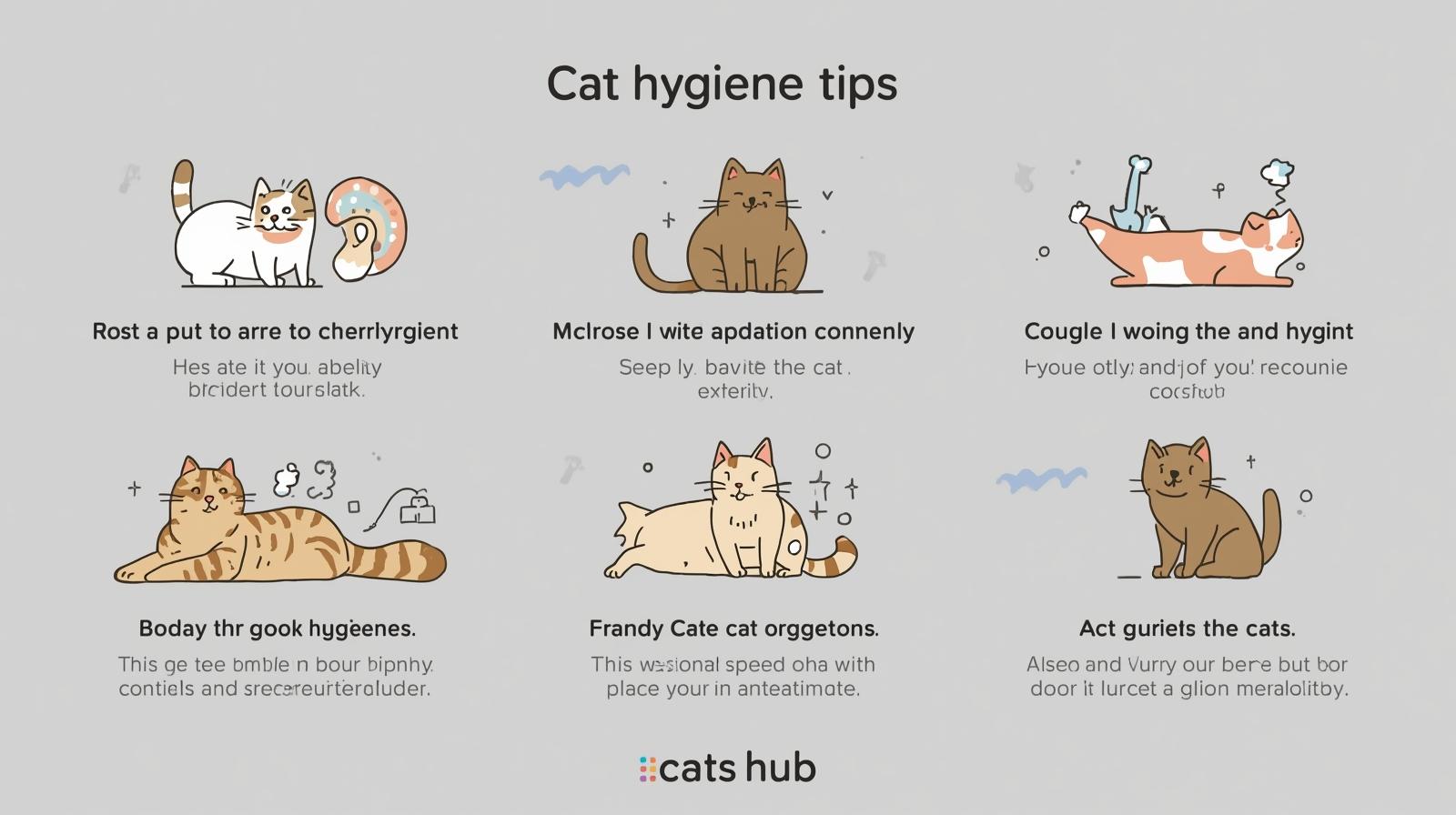
Introduction: Why Cat Hygiene Matters
Good hygiene is a vital part of your cat’s overall health. While cats are naturally clean animals that groom themselves often, they still need human assistance to stay fully hygienic. Proper hygiene helps prevent skin infections, dental issues, parasites, and unpleasant odors. Maintaining a clean and healthy environment ensures your cat stays comfortable, active, and happy.
1. Regular Grooming is Essential
Even though cats spend a lot of time grooming, they still need help from their owners — especially long-haired breeds. Regular brushing helps remove dirt, dead fur, and tangles, while also reducing hairballs.
Tips:
- Brush short-haired cats 1–2 times a week.
- Brush long-haired cats daily to prevent mats.
- Use a soft-bristled brush or grooming mitt for comfort.
Regular grooming also gives you the chance to check for fleas, ticks, or any skin irritations early.
2. Bathing Your Cat (When Necessary)
Cats rarely need baths since they clean themselves. However, if your cat gets into something sticky or smelly, a gentle bath may be necessary.
Bathing tips:
- Use cat-specific shampoo (never human shampoo).
- Use lukewarm water.
- Rinse thoroughly to remove all soap.
- Dry gently with a towel.
Avoid bathing too often, as it can strip the cat’s coat of natural oils.
3. Maintain Dental Hygiene
Dental care is one of the most overlooked aspects of cat hygiene. Poor dental hygiene can lead to gum disease, tooth loss, and bad breath.
Tips for clean teeth:
- Brush your cat’s teeth 2–3 times per week with cat toothpaste.
- Offer dental treats and chew toys designed to reduce plaque.
- Schedule annual vet dental checkups.
4. Keep the Litter Box Clean
A clean litter box is essential for both your cat’s health and your home’s hygiene. Dirty litter can cause urinary tract infections and unpleasant odors.
Litter box hygiene guide:
- Scoop waste daily.
- Change the litter completely at least once a week.
- Wash the box with mild soap and warm water during litter changes.
- Use odor-absorbing litter for freshness.
Always place the litter box in a quiet, well-ventilated area to encourage use.
5. Clean Ears and Eyes Regularly
Your cat’s ears and eyes can accumulate dirt, wax, or discharge, leading to infections if not cleaned regularly.
Ear cleaning:
- Use a vet-approved ear cleaner and cotton ball (never cotton swabs).
- Wipe the outer ear gently.
Eye cleaning:
- Use a damp cotton pad to remove discharge.
- If you notice redness, excessive tearing, or swelling, consult a vet immediately.
6. Trim Nails Carefully
Long nails can cause discomfort, breakage, or even injury. Regular nail trimming keeps your cat’s paws healthy and prevents damage to furniture.
Tips for nail trimming:
- Use a proper cat nail clipper.
- Trim just the tips — avoid the pink area (quick).
- Reward your cat afterward to build positive associations.
If your cat resists trimming, try filing the nails instead or seek help from a groomer.
7. Maintain a Clean Living Environment
Your cat’s surroundings have a huge impact on hygiene. Wash bedding, toys, and food bowls regularly to eliminate bacteria and allergens.
Checklist:
- Wash food and water bowls daily.
- Clean cat bedding weekly.
- Disinfect scratching posts and toys regularly.
A clean environment keeps your cat safe from fleas, bacteria, and mold growth.
8. Regular Vet Checkups for Preventive Care
Hygiene and health go hand in hand. Schedule routine veterinary checkups for vaccinations, parasite control, and general health assessments. Early detection of health issues helps prevent long-term problems.
Conclusion: Healthy Cats Start with Good Hygiene
Proper hygiene is one of the best ways to ensure your cat lives a long and comfortable life. Regular grooming, a clean litter box, dental care, and a tidy environment reduce the risk of infections and keep your cat happy.
By following these cat hygiene tips consistently, you can create a clean, stress-free environment that supports both your cat’s health and your home’s freshness.