
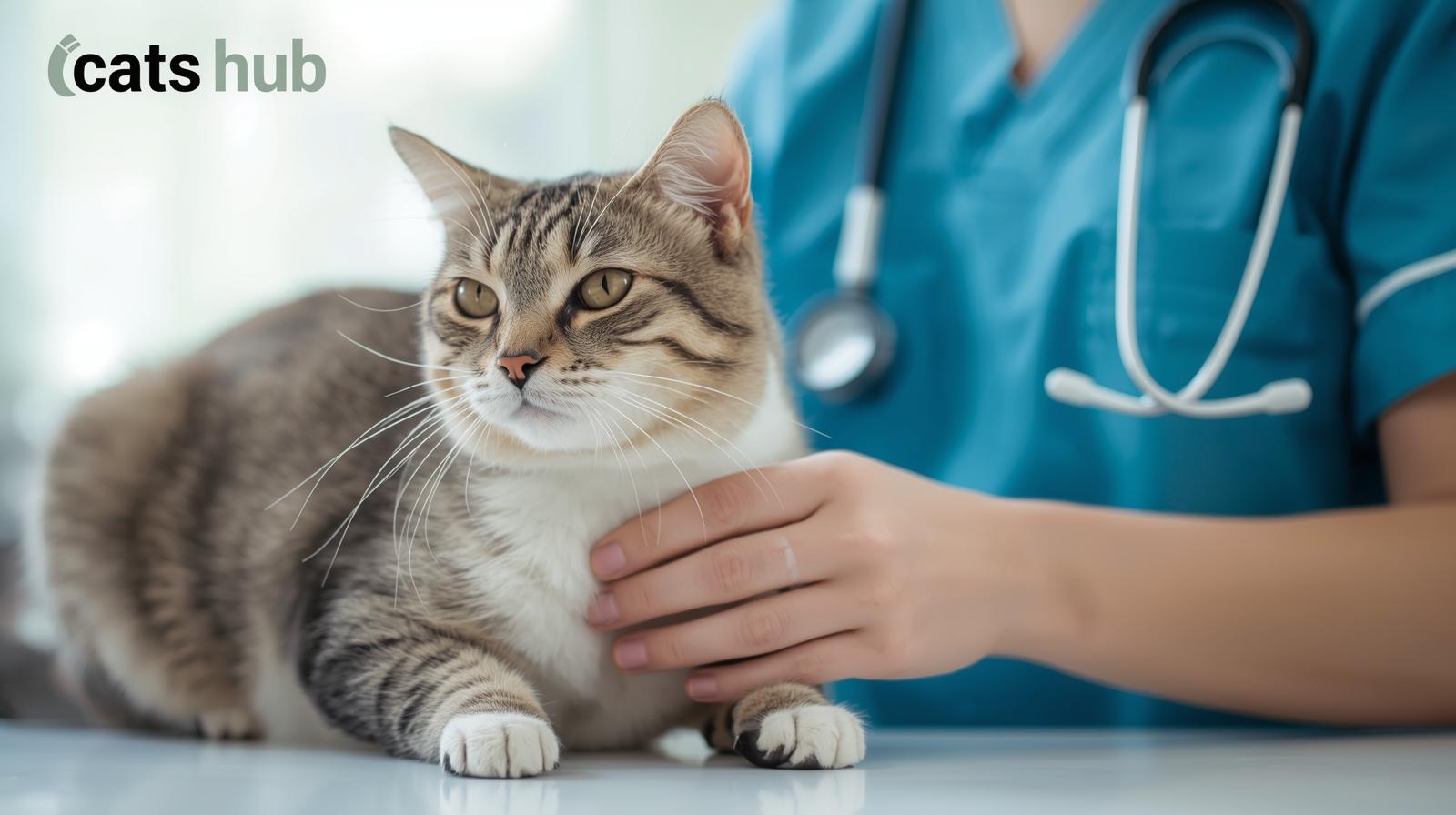
Introduction: The Importance of Regular Vet Checkups for Cats
Cats are experts at hiding illness. Unlike dogs, they often mask pain or discomfort until a disease has progressed. That’s why regular veterinary checkups are one of the most important aspects of responsible cat ownership. Routine visits not only help detect problems early but also prevent serious illnesses before they start.
From kittenhood to senior years, every stage of your cat’s life requires different levels of care. Regular vet checkups ensure your cat remains healthy, active, and happy.
1. How Often Should You Take Your Cat to the Vet?
The frequency of veterinary visits depends on your cat’s age and health condition:
| Cat’s Age | Vet Visit Frequency | Purpose |
|---|---|---|
| Kitten (0–1 year) | Every 3–4 weeks | Vaccinations, growth monitoring, parasite control |
| Adult (1–7 years) | Once a year | General health check, vaccinations, dental cleaning |
| Senior (7+ years) | Every 6 months | Early detection of age-related diseases, blood tests, mobility checks |
Kittens and senior cats need more frequent checkups, while healthy adult cats can often be seen annually unless problems arise.
2. What Happens During a Cat Vet Checkup?
A comprehensive vet exam covers both physical and behavioral aspects of your cat’s health. Here’s what typically happens during a visit:
a. Physical Examination
The vet checks your cat’s weight, coat condition, teeth, eyes, ears, heart, and lungs. They also palpate (gently feel) the abdomen to check internal organs.
b. Vaccination Updates
Your vet ensures your cat is up to date with essential vaccines such as FVRCP, Rabies, and FeLV (for outdoor cats).
c. Parasite Control
The vet checks for fleas, ticks, worms, or mites and may recommend preventive treatments.
d. Dental Examination
Dental health is reviewed since tartar buildup and gum disease are common in cats.
e. Nutrition and Weight Management
Your vet may discuss your cat’s diet, portion sizes, and exercise routine to prevent obesity or malnutrition.
f. Bloodwork and Lab Tests
For older cats, routine bloodwork helps detect issues like kidney disease, thyroid imbalance, or diabetes early.
3. Benefits of Regular Vet Checkups
a. Early Disease Detection
Many feline diseases such as kidney failure, diabetes, or heart conditions develop slowly. Routine exams help catch them before symptoms appear, allowing for timely treatment.
b. Vaccination and Preventive Care
Vaccinations and parasite preventatives protect your cat from serious illnesses like rabies and feline distemper.
c. Dental Health Maintenance
Regular dental checks prevent infections, tooth loss, and pain that can affect eating habits.
d. Weight and Nutrition Management
Vets help design balanced diets suited to your cat’s age, breed, and health status, reducing risks of obesity and related issues.
e. Behavioral Insights
Changes in behavior often signal medical issues. Discussing habits like litter box use, grooming, or aggression helps identify early signs of discomfort or anxiety.
4. Preparing Your Cat for a Vet Visit
Cats can be anxious travelers, but preparation can make vet visits less stressful.
Tips for a calm experience:
- Use a secure carrier with a soft blanket and familiar scent.
- Acclimate early: Keep the carrier out at home so your cat gets used to it.
- Avoid feeding right before travel to prevent nausea.
- Stay calm yourself: Cats sense your emotions. Speak softly and avoid sudden movements.
- Reward afterward: Offer treats or gentle praise after the visit.
If your cat gets very stressed, ask your vet about mild calming aids or pheromone sprays.
5. Questions to Ask Your Vet
Being prepared helps you make the most of your appointment. Consider asking:
- Is my cat’s weight healthy for its breed and age?
- Which vaccines are necessary this year?
- How can I improve my cat’s diet or hydration?
- Are there signs of dental issues I should watch for?
- What parasite prevention plan is best for my cat?
- Should we schedule blood tests or X-rays?
These questions open a dialogue and ensure your cat’s care is personalized and effective.
6. Signs Your Cat Needs an Extra Vet Visit
Besides routine checkups, take your cat to the vet immediately if you notice:
- Sudden changes in appetite or water intake
- Weight loss or gain
- Vomiting or diarrhea lasting more than 24 hours
- Coughing, sneezing, or difficulty breathing
- Limping or stiffness
- Excessive scratching or hair loss
- Unusual behavior, aggression, or hiding
Early intervention can often make the difference between a minor issue and a serious illness.
7. The Cost of Cat Vet Checkups
Vet costs vary by region, but on average:
- Routine exam: $50–$100
- Vaccinations: $20–$50 each
- Bloodwork: $70–$150
- Dental cleaning: $150–$400
Investing in regular checkups is far less expensive than emergency treatments for preventable diseases. Some owners also opt for pet insurance to manage long-term health expenses.
Conclusion: Healthy Cats Start with Regular Vet Care
Regular cat vet checkups are the foundation of preventive care. These visits help monitor your cat’s overall well-being, ensure timely vaccinations, and detect illnesses before they become serious.
A healthy cat is a happy cat — and consistent veterinary care is the best way to ensure your furry friend enjoys a long, vibrant, and comfortable life.