
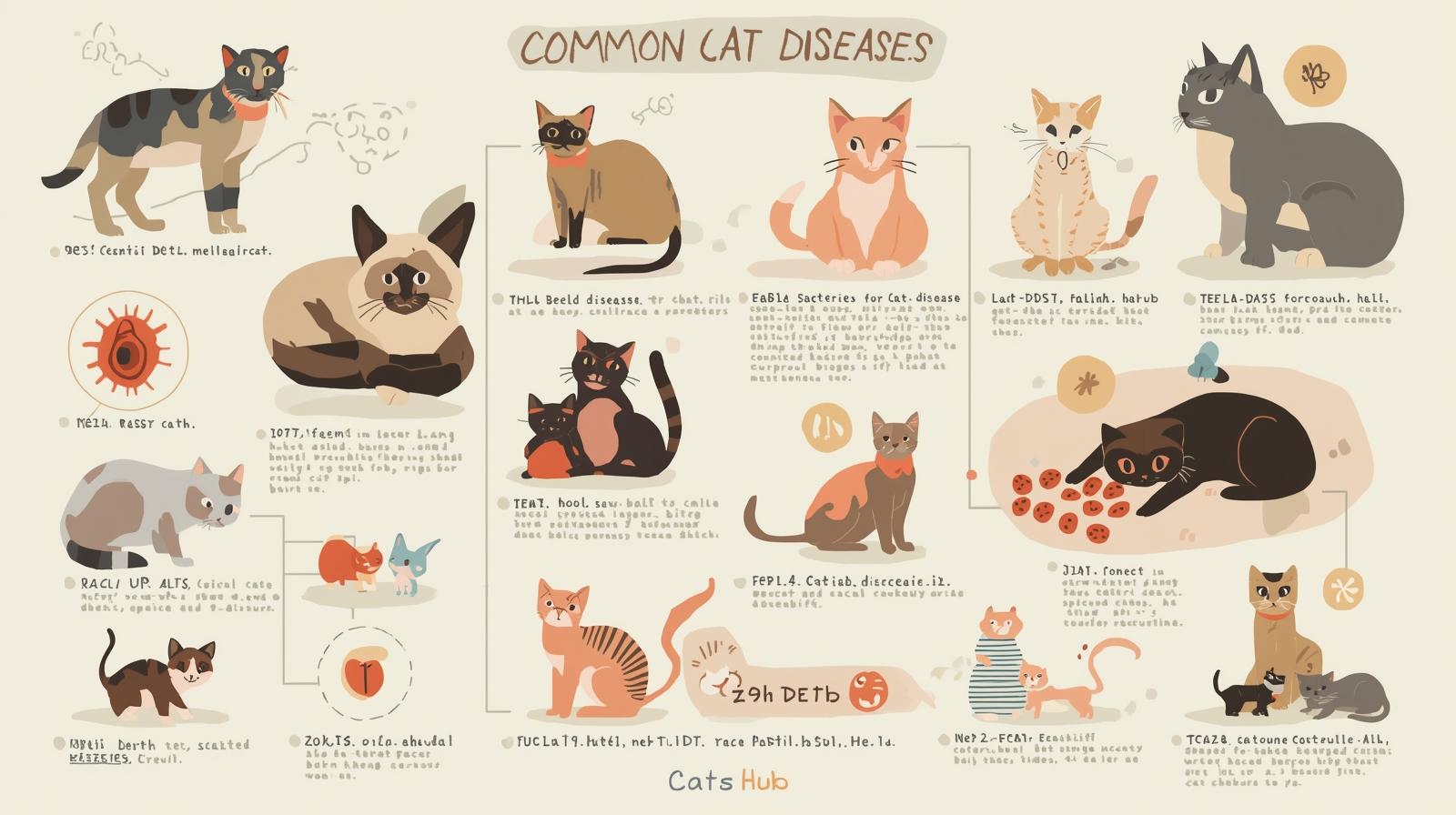
Introduction: Understanding Cat Health Risks
Cats are resilient and independent animals, but like all pets, they are vulnerable to a range of diseases. Some are mild and easily treatable, while others can become serious or even life-threatening if left unchecked. Understanding common cat diseases helps pet owners recognize early symptoms, seek timely veterinary care, and take preventive measures to ensure long-term feline health.
In this detailed guide, we’ll explore the most frequent illnesses affecting cats, their causes, symptoms, treatments, and effective prevention strategies.
1. Feline Upper Respiratory Infections (URIs)
Upper respiratory infections are among the most common health problems in cats, especially those in shelters or multi-cat households.
Causes:
- Feline herpesvirus (FHV-1)
- Feline calicivirus (FCV)
- Bacterial infections such as Bordetella bronchiseptica
Symptoms:
- Sneezing and coughing
- Nasal and eye discharge
- Loss of appetite
- Fever and lethargy
Treatment:
- Antibiotics (for bacterial infections)
- Supportive care like hydration and rest
- Isolation from other cats to prevent spreading
Prevention:
Keep vaccinations up to date and reduce stress levels, as stress weakens the immune system and increases susceptibility.
2. Feline Distemper (Panleukopenia)
Feline panleukopenia, also known as feline distemper, is a highly contagious viral disease that primarily affects kittens and unvaccinated cats.
Causes:
- Caused by the feline parvovirus
- Transmitted through contaminated environments, feces, or contact with infected cats
Symptoms:
- Severe vomiting and diarrhea
- Fever
- Dehydration
- Loss of appetite
- Low white blood cell count
Treatment:
There’s no specific cure; treatment focuses on hydration, antibiotics to prevent secondary infections, and intensive supportive care.
Prevention:
Vaccination is the best protection. Ensure kittens receive their first shots and annual boosters thereafter.
3. Feline Leukemia Virus (FeLV)
Feline leukemia is one of the most serious viral infections in cats. It weakens the immune system, making cats more prone to secondary infections and cancers.
Causes:
- Transmitted through saliva, urine, or blood from infected cats
- Common in outdoor cats and those sharing food or litter boxes
Symptoms:
- Weight loss
- Pale gums (anemia)
- Recurrent infections
- Swollen lymph nodes
- Lethargy
Treatment:
There is no cure for FeLV, but supportive care can extend life expectancy. Keeping infected cats indoors helps prevent transmission.
Prevention:
Vaccinate your cat and limit exposure to outdoor or stray cats. Test new cats for FeLV before introducing them to others.
4. Feline Immunodeficiency Virus (FIV)
Often compared to HIV in humans, FIV weakens a cat’s immune system, increasing vulnerability to other infections.
Causes:
- Spread primarily through bite wounds
- Common in unneutered male outdoor cats due to fighting
Symptoms:
- Weight loss and poor coat condition
- Recurrent infections (gums, skin, respiratory)
- Enlarged lymph nodes
- Fever
Treatment:
While there’s no cure, cats with FIV can live long, healthy lives with proper care, balanced nutrition, and indoor living.
Prevention:
Keep cats indoors, neuter males to reduce fighting, and test new cats before introduction.
5. Feline Diabetes Mellitus
Diabetes is a common metabolic disorder in middle-aged and overweight cats, caused by an inability to produce or properly use insulin.
Causes:
- Obesity
- Poor diet (high in carbohydrates)
- Genetic factors
Symptoms:
- Increased thirst and urination
- Weight loss despite good appetite
- Lethargy
- Vomiting or dehydration in severe cases
Treatment:
- Daily insulin injections as prescribed
- Weight management through diet and exercise
- Low-carbohydrate, high-protein food
Prevention:
Maintain a healthy diet, encourage physical activity, and monitor your cat’s weight regularly.
6. Feline Obesity
Obesity is one of the most widespread cat health issues, often leading to other diseases like diabetes, arthritis, and heart problems.
Causes:
- Overfeeding or excessive treats
- Lack of exercise
- Indoor lifestyle with limited activity
Symptoms:
- Noticeable weight gain
- Difficulty jumping or grooming
- Lethargy
Treatment and Prevention:
- Controlled diet with measured portions
- Regular play and exercise
- Vet-supervised weight management plan
Keeping your cat at an ideal weight greatly improves overall health and lifespan.
7. Feline Urinary Tract Disease (FLUTD)
Feline Lower Urinary Tract Disease (FLUTD) affects the bladder and urethra, causing pain and urination difficulties.
Causes:
- Bladder stones or crystals
- Stress and dehydration
- Obesity
- Bacterial infections
Symptoms:
- Straining to urinate
- Blood in urine
- Frequent but small urinations
- Vocalizing during urination
Treatment:
Depends on the cause — may include dietary changes, antibiotics, or surgery in severe cases.
Prevention:
Provide fresh water, encourage hydration, and feed urinary health-formulated cat food. Reduce stress and maintain a clean litter box.
8. Feline Kidney Disease
Chronic kidney disease (CKD) is common in older cats and can lead to severe dehydration and toxin buildup.
Causes:
- Aging
- Infections
- Toxins (antifreeze, lilies, certain medications)
Symptoms:
- Increased thirst and urination
- Weight loss
- Poor appetite
- Vomiting and bad breath
Treatment:
- Prescription kidney diets
- Fluid therapy
- Medications to manage symptoms
Prevention:
Regular vet checkups, hydration, and avoiding toxic substances help protect kidney function.
9. Feline Parasites (Fleas, Ticks, and Worms)
Parasites are a constant concern for cats, causing discomfort and transmitting diseases.
Types and Effects:
- Fleas: Itching, hair loss, anemia
- Ticks: Transmit bacterial infections
- Worms (roundworms, tapeworms): Weight loss, vomiting, poor coat
Treatment:
- Use vet-approved flea and worm preventatives
- Regular deworming every 3–6 months
- Keep the environment clean and bedding washed
Prevention:
Consistent parasite control and hygiene are key to preventing reinfestation.
10. Feline Dental Disease
Dental issues like gingivitis, tartar buildup, and tooth resorption are common in adult cats.
Causes:
- Poor dental hygiene
- Bacterial plaque
- Lack of regular cleaning
Symptoms:
- Bad breath
- Drooling
- Difficulty eating
- Swollen gums or tooth loss
Treatment:
Professional dental cleaning, antibiotics, and home care with cat-safe toothpaste.
Prevention:
Brush teeth regularly, use dental chews, and schedule annual dental checkups.
11. Feline Hyperthyroidism
Hyperthyroidism is a hormonal disorder common in older cats, caused by overproduction of thyroid hormones.
Symptoms:
- Rapid weight loss despite increased appetite
- Hyperactivity
- Vomiting and diarrhea
- Increased thirst and urination
Treatment:
- Medication to regulate thyroid hormone levels
- Radioactive iodine therapy
- Surgery in severe cases
Prevention:
Routine bloodwork for older cats helps detect thyroid imbalances early.
12. Feline Heart Disease
Heart disease in cats often develops silently and can lead to heart failure if undiagnosed.
Causes:
- Genetic predisposition
- Hyperthyroidism or hypertension
- Obesity
Symptoms:
- Difficulty breathing
- Fatigue
- Fainting or collapse
Treatment:
Medications to control blood pressure and improve heart function.
Prevention:
Healthy diet, weight control, and routine vet exams are the best defenses.
13. Skin Allergies and Dermatitis
Skin problems in cats are often due to allergies, parasites, or environmental irritants.
Causes:
- Flea bites
- Food allergies
- Dust, pollen, or mold
Symptoms:
- Itchy, inflamed skin
- Excessive scratching
- Hair loss or scabs
Treatment:
Identify and eliminate the cause, use medicated shampoos, and follow prescribed allergy treatments.
Prevention:
Regular grooming, flea prevention, and clean living conditions help minimize allergic reactions.
Conclusion: Protecting Your Cat’s Health
Awareness and prevention are the most powerful tools against common cat diseases. Regular vet visits, proper vaccination, balanced nutrition, hydration, and parasite control can prevent most illnesses or detect them early when they’re most treatable.
As a responsible cat owner, pay attention to behavioral or physical changes — even small ones — since cats often hide their discomfort. By staying informed and proactive, you can ensure your feline companion lives a long, healthy, and happy life.