
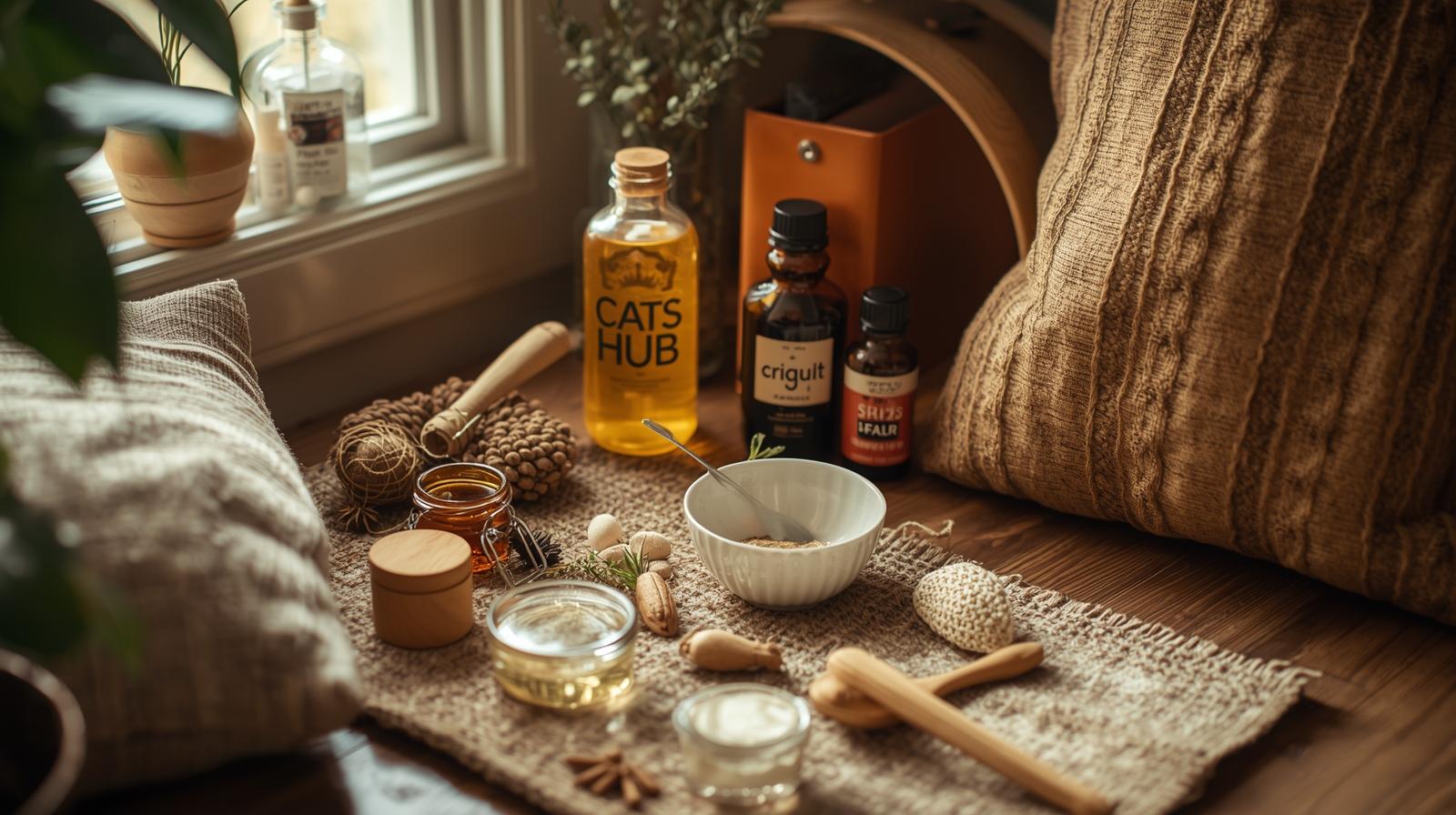
Introduction: Natural Care for a Happier Cat
Cats are sensitive and curious creatures that occasionally develop minor health issues — from fleas and skin irritation to mild digestive upsets. While serious conditions require professional veterinary attention, there are many safe home remedies for cats that can help soothe minor discomforts and improve their well-being naturally.
Natural remedies are especially useful for pet owners who want gentle, chemical-free alternatives. However, the golden rule is simple: home remedies complement, not replace, veterinary care.
This guide will walk you through safe and effective home treatments for common feline issues, along with precautions every cat owner should know.
1. Understanding When to Use Home Remedies
Home remedies are best suited for minor or short-term issues such as:
- Mild skin irritation
- Flea control
- Hairballs
- Minor wounds or scratches
- Mild digestive upset
- Dull coat or dandruff
If your cat shows severe symptoms — such as vomiting, breathing issues, loss of appetite, or bleeding — always contact a veterinarian immediately.
2. Home Remedies for Fleas on Cats
Fleas are one of the most common problems for cats. Natural remedies can help reduce flea infestation safely.
2.1 Apple Cider Vinegar Spray
Apple cider vinegar doesn’t kill fleas but helps repel them.
How to Use:
- Mix equal parts of apple cider vinegar and water in a spray bottle.
- Lightly mist your cat’s fur (avoid eyes and nose).
- Repeat once daily until fleas are gone.
2.2 Lemon Water
Lemons contain citric acid, a natural flea repellent.
How to Use:
- Boil a sliced lemon in water. Let it cool overnight.
- Strain and apply gently to your cat’s coat using a soft cloth.
2.3 Regular Grooming
Brush your cat daily using a fine-toothed flea comb to remove fleas and eggs. Rinse the comb in soapy water to kill any fleas caught.
Tip: Always wash your cat’s bedding and vacuum carpets regularly to prevent reinfestation.
3. Home Remedies for Cat Hairballs
Hairballs are common, especially in long-haired cats. While occasional hairballs are normal, frequent ones may cause vomiting or constipation.
Remedies:
- Olive Oil: Add ½ teaspoon of olive oil to your cat’s food once a week to help pass hairballs naturally.
- Pumpkin Puree: A spoonful of canned pumpkin (unsweetened) aids digestion and helps hair pass through the intestines.
- Regular Brushing: Prevent hair buildup by brushing your cat’s coat daily.
Avoid: Giving too much oil, as it can cause diarrhea.
4. Home Remedies for Cat Constipation
Constipation is often due to dehydration, lack of fiber, or hairballs.
Safe Remedies:
- Pumpkin Puree: Rich in fiber and moisture. Mix 1–2 teaspoons with your cat’s food daily.
- Aloe Vera Juice: ¼ teaspoon of pure aloe vera juice (only vet-approved, not cosmetic gel) can help relieve constipation.
- Increased Water Intake: Offer fresh water daily or add water to wet cat food.
- Exercise: Encourage play to stimulate digestion.
If constipation lasts more than 48 hours, consult a vet.
5. Home Remedies for Cat Cough and Cold
Like humans, cats can get mild colds, especially during weather changes.
Remedies:
- Steam Therapy: Run a hot shower and let your cat sit in the warm, steamy bathroom (not directly in water) for 10 minutes to ease congestion.
- Honey and Warm Water: For mild coughs, mix ½ teaspoon of honey with warm water (only for adult cats).
- Humidifier: Keep the room air moist to prevent nasal dryness.
Do Not Use: Human cold medicine — it’s toxic to cats.
6. Home Remedies for Cat Skin Problems
Dry skin, dandruff, or minor itching can often be treated at home.
6.1 Coconut Oil
Coconut oil has natural antifungal and antibacterial properties.
How to Use:
- Apply a small amount to dry or irritated skin.
- Mix ½ teaspoon into food occasionally for internal benefits.
6.2 Oatmeal Bath
Oatmeal soothes itchy skin naturally.
How to Use:
- Grind plain oatmeal into a fine powder.
- Mix with warm water to form a paste.
- Apply to your cat’s skin for 10 minutes, then rinse.
6.3 Aloe Vera Gel
Aloe vera can soothe mild burns or rashes.
How to Use:
- Apply a thin layer of pure, pet-safe aloe gel (not containing alcohol or additives).
Warning: Never use aloe vera with latex content — it’s toxic to cats.
7. Home Remedies for Cat Ear Infections
Ear infections can cause head shaking or scratching. Mild cases can be managed naturally.
Remedies:
- Apple Cider Vinegar Solution: Mix equal parts apple cider vinegar and water. Dip a cotton ball and gently clean the outer ear (never go deep).
- Coconut Oil: Apply a drop to soothe mild irritation.
Note: If there’s foul odor, discharge, or bleeding, see a vet — it may indicate mites or bacterial infection.
8. Home Remedies for Cat Wounds and Scratches
Minor scratches can be treated at home to prevent infection.
Steps:
- Clean the wound using warm saline solution (1 teaspoon of salt in 1 cup of water).
- Apply coconut oil or diluted iodine (1 part iodine to 10 parts water).
- Monitor daily for signs of redness, swelling, or pus.
Avoid: Hydrogen peroxide or alcohol — these can damage healthy tissue.
9. Home Remedies for Cat Bad Breath
Bad breath is often caused by poor oral hygiene or diet.
Remedies:
- Coconut Oil: Acts as a natural antibacterial agent. Add a small amount to food or use on a finger brush.
- Parsley: Fresh parsley contains chlorophyll, a natural breath freshener. Finely chop and mix with food.
- Dental Wipes or Water Additives: Natural, alcohol-free formulas help reduce bacteria buildup.
If bad breath persists, it could indicate dental disease — schedule a vet visit.
10. Home Remedies for Cat Anxiety or Stress
Cats can experience stress from travel, new pets, or environmental changes.
Natural Soothers:
- Catnip or Silvervine: Helps some cats relax naturally.
- Chamomile Tea (Mild): Offer 1 teaspoon of cooled chamomile tea in food or water occasionally.
- Calming Environment: Soft music, familiar blankets, and slow petting can reduce anxiety.
Avoid: Essential oils like lavender or eucalyptus — they are toxic to cats.
11. Home Remedies for Cat Diarrhea
Mild diarrhea may occur from dietary changes or stress.
Safe Treatments:
- Plain Pumpkin Puree: Helps firm up stool (1 teaspoon per meal).
- Boiled Chicken and Rice: Bland diet for 1–2 days.
- Probiotic Yogurt (Plain): Supports gut balance (¼ teaspoon occasionally).
Avoid: Dairy milk — it can worsen diarrhea. If symptoms persist for more than 48 hours, consult a vet.
12. Strengthening Immunity Naturally
A strong immune system helps prevent most feline illnesses.
Natural Boosters:
- Balanced Diet: High-protein cat food with vitamins and taurine.
- Fish Oil: Rich in omega-3 for skin, coat, and immunity.
- Probiotics: Supports digestive and immune health.
- Hydration: Always provide clean, fresh water.
13. Safety Precautions When Using Home Remedies
While home remedies can help, cats are very sensitive to chemicals and essential oils. Follow these safety rules:
- Always test a small patch before applying any substance.
- Never use essential oils like tea tree, peppermint, or citrus.
- Avoid human medicines — most are toxic to cats.
- Use only pet-safe, natural, and diluted ingredients.
- Consult a veterinarian before starting any new remedy.
14. When to See a Vet
Seek professional care if your cat shows:
- Persistent vomiting or diarrhea
- Breathing problems
- Bleeding wounds or swelling
- Loss of appetite for more than 24 hours
- Lethargy or weakness
- Sudden behavior changes
Home remedies are for mild conditions only. A veterinarian should diagnose and treat any serious or recurring issue.
Conclusion: Gentle Healing for Your Feline Friend
Natural and gentle care can play a big role in keeping your cat comfortable and healthy. From coconut oil for skin issues to pumpkin for digestion, home remedies for cats offer safe, affordable, and effective support for minor problems.
However, always remember: your vet is your cat’s best ally. Use home remedies as part of a broader health plan — not a replacement for medical advice.
With love, attention, and proper care, your feline companion can enjoy a long, happy, and healthy life.