
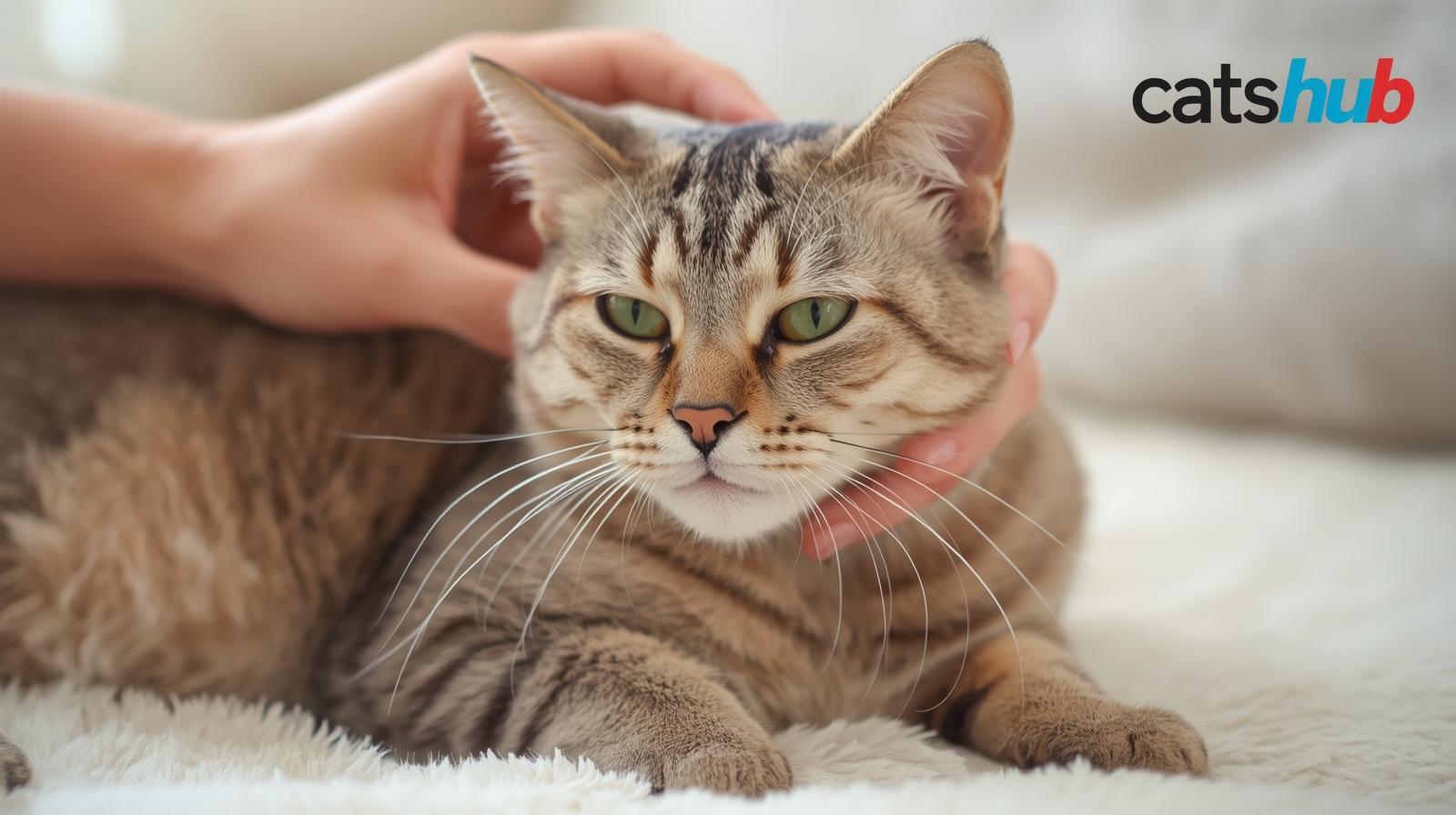
Introduction: Understanding Senior Cat Care
As cats age, their bodies and behaviors change — just like humans. Typically, a cat is considered senior around 10 years old and geriatric after 14. During these golden years, your feline needs extra care, attention, and comfort. Senior cat care focuses on maintaining physical health, managing age-related conditions, and providing emotional support.
With the right care, senior cats can live comfortably and happily well into their late teens or even early twenties.
1. Schedule Regular Veterinary Checkups
Older cats require more frequent vet visits than younger ones. Health issues can develop quietly and progress quickly with age.
Recommended routine:
- Visit the vet every 6 months for a wellness exam.
- Request blood tests to monitor kidney, liver, and thyroid function.
- Check for signs of arthritis, dental disease, and heart problems.
Early diagnosis allows for effective management and improves your cat’s quality of life.
2. Provide a Balanced Diet for Aging Cats
Nutritional needs change as cats grow older. Senior cats may need fewer calories but more nutrients to maintain muscle and organ function.
Key dietary tips:
- Choose high-quality senior cat food with lean protein and fewer fats.
- Include foods rich in Omega-3 fatty acids to support joint health.
- Ensure proper hydration with wet food or broth-based meals.
- Avoid too many treats or human foods.
If your cat suffers from specific conditions (like kidney disease or diabetes), ask your vet to recommend a therapeutic diet.
3. Encourage Gentle Exercise and Activity
Even older cats need regular activity to keep joints flexible and prevent obesity. However, senior cats may move more slowly or prefer shorter play sessions.
Ways to keep them active:
- Use soft toys or feather wands for light play.
- Encourage short climbing or stretching exercises.
- Provide comfortable, low-height scratching posts.
- Keep interactive playtime gentle but consistent.
Light activity supports mobility, muscle tone, and mental stimulation.
4. Maintain Good Dental Health
Dental disease is one of the most common problems in senior cats. It can cause pain, bad breath, and even organ infections if untreated.
Dental care tips:
- Brush your cat’s teeth regularly with cat-safe toothpaste.
- Offer dental treats that reduce plaque buildup.
- Schedule professional dental cleanings when recommended.
A healthy mouth improves appetite and overall well-being.
5. Watch for Signs of Age-Related Health Problems
Senior cats are prone to conditions like arthritis, kidney disease, thyroid imbalance, and diabetes. Keep an eye on these signs:
- Increased or decreased appetite
- Excessive thirst or urination
- Weight loss or gain
- Lethargy or stiffness
- Changes in behavior or grooming habits
Prompt veterinary attention can help manage these conditions effectively.
6. Grooming and Coat Care
Older cats may groom themselves less, especially if they have arthritis or dental pain. Regular grooming keeps the coat clean and comfortable.
Grooming guide:
- Brush your cat’s fur weekly to remove mats and dirt.
- Use a soft brush for sensitive skin.
- Trim nails gently if mobility is reduced.
- Clean ears and eyes with a damp cloth when needed.
Regular grooming also helps you notice any lumps, bumps, or skin changes early.
7. Provide Comfort and Accessibility at Home
Senior cats may struggle with mobility, so small adjustments can make their lives easier.
Home care tips:
- Provide soft bedding in warm, quiet areas.
- Place litter boxes and food dishes on the same floor to reduce climbing.
- Use ramps or steps to access favorite spots like beds or couches.
- Keep the environment calm to reduce stress.
Comfort and convenience make a huge difference in your cat’s quality of life.
8. Monitor Weight and Appetite
Weight changes in senior cats often signal underlying health problems. Sudden weight loss may indicate thyroid or kidney issues, while weight gain could suggest reduced activity or overfeeding.
Tips:
- Weigh your cat monthly.
- Feed measured portions instead of free-feeding.
- Adjust the diet under veterinary guidance.
9. Support Mental and Emotional Health
Older cats may experience confusion or anxiety (similar to dementia in humans). Keeping their minds active helps them stay sharp.
Ways to stimulate your senior cat:
- Maintain a consistent routine.
- Offer new but gentle toys occasionally.
- Provide affection and gentle interaction daily.
- Create quiet spaces away from loud noises or stress.
10. Keep Up with Parasite Prevention
Even indoor senior cats are vulnerable to fleas, ticks, and worms. Continue using vet-approved parasite preventatives year-round. Parasite control is crucial because older cats have weaker immune systems.
Conclusion: Helping Your Senior Cat Age Gracefully
Caring for a senior cat means offering patience, love, and attention to their changing needs. Regular vet visits, balanced nutrition, gentle exercise, and a comfortable environment all contribute to a long, happy life.
Every moment with your aging cat is special. With proper senior cat care, you can ensure their later years are filled with comfort, companionship, and health.