
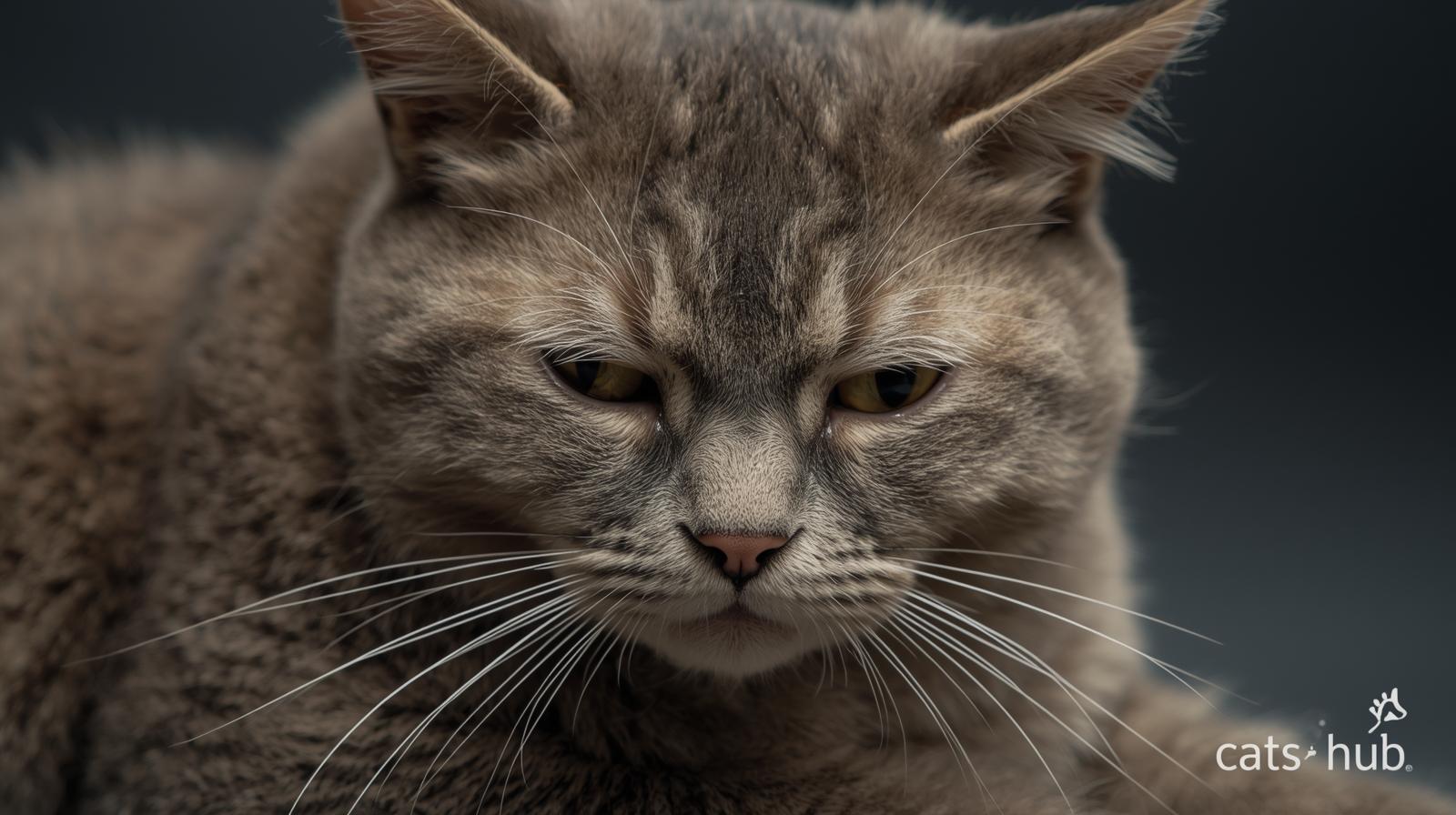
Introduction: Why Spotting Early Signs Matters
Cats are known for hiding their pain and discomfort. In the wild, showing weakness made them vulnerable, so even today domestic cats tend to mask illness until it becomes serious. As a cat owner, recognizing the early signs of a sick cat can make a life-saving difference.
Understanding your cat’s normal behavior — appetite, energy level, grooming, and mood — is the key to spotting any changes. The sooner you identify symptoms, the sooner your vet can treat the issue effectively.
This guide will help you recognize both subtle and serious warning signs that your cat may be unwell.
1. Change in Appetite or Thirst
A healthy cat usually eats and drinks regularly. If your cat suddenly refuses food or drinks excessively, it may signal a problem.
Loss of Appetite
Possible causes include dental pain, fever, kidney disease, or stress. Cats that stop eating for more than 24 hours risk developing fatty liver disease, a serious condition.
Increased Thirst
Excessive drinking or frequent urination can point to diabetes, kidney problems, or thyroid issues. Always note how much water your cat drinks daily — any sudden increase is worth discussing with your vet.
2. Weight Changes
Both weight loss and weight gain can indicate illness.
- Sudden Weight Loss: May suggest diabetes, hyperthyroidism, or cancer.
- Rapid Weight Gain: Could mean overfeeding or hormonal imbalance.
Regularly weigh your cat or feel along its ribs — you should be able to feel them but not see them. Any sudden change deserves a veterinary check-up.
3. Changes in Grooming Habits
Cats are naturally clean animals that groom daily. Changes in grooming behavior often reflect discomfort or sickness.
- Over-Grooming: May be caused by allergies, fleas, or anxiety.
- Neglecting Grooming: Indicates possible arthritis, dental pain, or lethargy due to illness.
- Rough or Matted Coat: A dull, greasy, or unkempt coat can signal poor health or dehydration.
If your cat suddenly stops grooming or grooms excessively, it’s time to investigate.
4. Lethargy or Low Energy
A tired cat isn’t always a sick cat, but persistent lethargy can mean trouble. If your once-playful feline becomes withdrawn, sleeps more than usual, or hides frequently, it might be in pain or feeling weak.
Common causes include infection, fever, anemia, or internal illness. Watch for changes in how your cat interacts with family members or toys.
5. Unusual Behavior or Personality Changes
Cats may show illness through subtle behavior shifts:
- Becoming unusually aggressive or irritable
- Hiding for long periods
- Avoiding social interaction
- Vocalizing excessively or crying at night
- Losing interest in play
These behaviors can signal pain, neurological problems, or emotional distress. Any sudden personality change should be discussed with a vet.
6. Vomiting or Diarrhea
Occasional vomiting from hairballs is normal, but frequent or severe vomiting is not.
Possible Causes:
- Dietary intolerance
- Parasites
- Infection
- Kidney or liver disease
- Poison ingestion
Similarly, diarrhea lasting more than 24–48 hours may cause dehydration and requires prompt care. Note the frequency, color, and consistency of stool to help your vet diagnose the issue.
7. Changes in Urination or Defecation
Your cat’s litter box habits reveal a lot about its health.
Watch for:
- Straining to urinate
- Blood in urine or stool
- Frequent but small urinations
- Absence of urination (possible urinary blockage)
- Constipation or hard stools
Male cats are especially prone to urinary blockages, which can become life-threatening within hours. If your cat cries while using the litter box or can’t urinate, seek emergency veterinary care.
8. Breathing Problems
Healthy cats breathe quietly. Any labored breathing, coughing, or wheezing could indicate respiratory infection, asthma, or heart disease.
Signs to watch:
- Rapid or open-mouth breathing
- Persistent cough
- Nasal discharge
- Sneezing fits
If breathing seems difficult or noisy, treat it as an emergency. Cats with breathing distress may sit upright with neck extended — a posture that signals they’re struggling for air.
9. Bad Breath or Dental Issues
A cat’s mouth can reveal hidden health problems.
Symptoms to note:
- Foul odor (bad breath)
- Drooling
- Pawing at the mouth
- Difficulty eating or chewing on one side
These can indicate dental disease, oral infection, or even kidney issues. Regular dental check-ups and cleanings help prevent these complications.
10. Eye and Nose Discharge
Watery eyes or nasal discharge are common signs of upper respiratory infection, especially in kittens.
Types of discharge:
- Clear: Mild irritation or allergy
- Yellow/Green: Infection
- Bloody: Serious inflammation or trauma
Check if your cat is squinting or keeping an eye closed — it could mean pain or injury.
11. Changes in Vocalization
Cats use vocal sounds to communicate. When they’re sick, their tone or frequency of meowing may change.
- Increased Meowing: May indicate distress or pain.
- Hoarse or Weak Voice: Can point to respiratory or throat issues.
- Quiet or Silent Cat: A usually talkative cat becoming silent may be unwell.
Listen carefully — a change in your cat’s voice can often be a subtle first warning.
12. Limping or Difficulty Moving
If your cat limps, hesitates to jump, or moves stiffly, it might be suffering from injury, arthritis, or infection.
Older cats are prone to joint stiffness, while younger ones may get injured while playing. Always check paws for cuts, swelling, or lodged debris. If lameness persists for more than a day, see a vet.
13. Swelling, Lumps, or Bumps
While some small lumps may be harmless, persistent or growing masses should always be examined. Possible causes include abscesses, cysts, or tumors.
Run your hands gently over your cat’s body every few weeks to detect anything unusual early.
14. Poor Coat and Skin Condition
The skin is a strong indicator of internal health.
Warning signs:
- Dry, flaky skin
- Excessive scratching
- Hair loss
- Red patches or scabs
These can be caused by allergies, parasites, or nutritional deficiencies. Ensure your cat receives proper grooming and a balanced diet with omega-3 fatty acids for a healthy coat.
15. Signs of Pain
Cats rarely show pain openly, but subtle signs can help you identify it:
- Hiding more than usual
- Refusing to be touched
- Flattened ears or dilated pupils
- Growling or hissing when handled
- Restlessness or difficulty lying down
If your cat shows multiple pain indicators, schedule a vet visit immediately.
16. Fever or Temperature Changes
A normal cat temperature ranges between 100.5°F and 102.5°F (38°C–39.2°C).
If your cat feels unusually warm to the touch (ears, paws, or belly), it may have a fever due to infection or inflammation.
Other signs include shivering, lack of appetite, and dehydration. You can check temperature using a digital rectal thermometer — but if unsure, let your vet handle it safely.
17. Hiding or Isolation
Cats that suddenly begin hiding under beds or avoiding contact may be ill. This behavior often occurs when they’re in pain or feeling weak.
If your sociable cat suddenly avoids you or other pets, it’s time to look closer for additional symptoms.
18. Over-Scratching or Excessive Licking
Constant licking or scratching can signal allergies, parasites, or anxiety. Fleas, mites, and fungal infections are common culprits.
Check your cat’s fur and skin regularly. A flea comb or vet-approved topical treatment can help manage parasites.
19. Strange Odors
Unpleasant smells from your cat’s body, ears, or mouth may point to infection.
- Mouth Odor: Dental disease or kidney issues.
- Ear Odor: Possible ear mites or yeast infection.
- Body Odor: Skin infection or wound.
20. When to Call the Vet
Always contact your veterinarian if you notice:
- No eating or drinking for over 24 hours
- Continuous vomiting or diarrhea
- Difficulty breathing
- Seizures or collapse
- Bloody stool or urine
- Visible injuries or swelling
Prompt veterinary attention can prevent minor issues from becoming major emergencies.
Conclusion: Stay Alert, Stay Informed
Cats are experts at hiding illness, but a watchful owner can spot the clues early. Changes in appetite, energy, litter box habits, or grooming are often the first signs something isn’t right.
The key is knowing what’s normal for your cat — and acting fast when things change. Regular vet visits, a healthy diet, and close observation will keep your feline companion happy and thriving for years.